What Are Photovoltaic Tiles and How Do They Work?
Photovoltaic tiles turn sunlight into electricity while serving as part of a roof’s outer covering. Unlike conventional panels, they are designed to integrate more closely with the roofline. Their solar cells generate direct-current electricity when light reaches them. That matters. An inverter converts this output into alternating current for typical household use. Wiring and other system components connect the tiles to the inverter and the building’s electrical supply. The exact design varies by product, so “photovoltaic tile” does not describe one universal construction.
They are not simply ordinary tiles with a different finish. Their electrical connections, mounting details, and roof integration all influence how a system performs. Tile type, roof orientation, local sunlight, and shading can affect energy production. A chimney’s shadow, for example, may reduce output from nearby cells. Installation also requires attention to waterproofing, ventilation, and compatibility with the existing roof structure. For homeowners, the appeal may include a more integrated appearance, but costs and maintenance needs deserve equal attention. It is easy to focus on the visible tiles; less visible components matter too. This guide explains how photovoltaic tiles work, what affects their performance, and which practical questions to ask before considering them. Even a well-designed system has limits, and the best option depends on the roof and household.
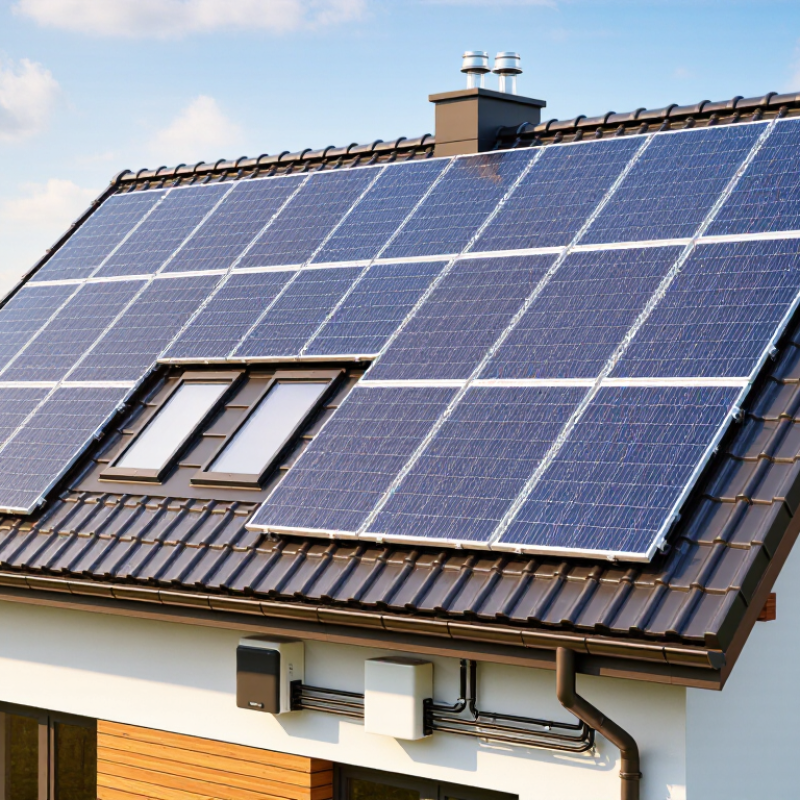
What Photovoltaic Tiles Are and How They Differ from Conventional Roofing
Photovoltaic tiles combine a roof covering with electricity-generating cells. Unlike conventional roofing, they produce power instead of only shedding rain and protecting the structure. They sit flush with surrounding tiles, while standard rooftop panels are mounted above an existing roof. The integrated look is appealing. But it can make repairs more involved: damaged tiles may require both roofing and electrical expertise.
Performance depends on tile design, roof angle, shade, and installation quality. The IEA PVPS Trends in Photovoltaic Applications 2024 report puts global cumulative solar capacity above 1.6 terawatts by the end of 2023. That figure covers all photovoltaic systems, not just tiles. It shows the technology’s scale, but it cannot predict a particular roof’s output. Compare product-specific power ratings and warranties, and ask how installers handle leaks and replacement tiles.
Tip: Before choosing, check whether your roof needs replacement soon. Integrated tiles may make more sense during a reroof than on a sound, recently installed roof. Get an estimate using your actual roof dimensions and shading; broad averages can mislead.
What Are Photovoltaic Tiles and How Do They Work? — What Photovoltaic Tiles Are and How They Differ from Conventional Roofing
| Comparison | Photovoltaic Tiles | Conventional Roofing |
|---|---|---|
| What they are | Roofing elements with integrated photovoltaic cells that generate electricity when exposed to sunlight. | Roof-covering materials, such as clay or concrete tiles, slate, metal, or asphalt shingles, designed primarily to shed water and protect the building. |
| How they work | Semiconductor cells convert sunlight into direct-current (DC) electricity. An inverter converts the DC electricity into alternating current (AC) for household use or grid export. | They do not generate electricity. Their function is to form a weather-resistant roof covering. |
| Roof appearance | Designed to form part of the visible roof surface. Their appearance, size, and degree of integration vary by system. | Available in many materials, profiles, and colors. Separate solar panels can be added above the roof if desired. |
| Main components | PV cells, protective glass or other covering, electrical connections, mounting or roofing components, wiring, and an inverter system. | Roofing units or sheets, underlayment, flashing, fasteners, and other components needed to manage water and protect the roof structure. |
| Electricity production | Output depends on the active solar area, sunlight, roof direction and pitch, shading, temperature, and system design. Not every tile necessarily contains active cells. | No electricity is produced by the roofing material itself. |
| Installation | Requires roofing work and electrical work. Tiles must be connected into a PV system and installed according to the product design and local electrical and building requirements. | Installed as a conventional roof covering. Electrical work is not required unless a separate energy system is added. |
| Roofing and solar in one system | Combines roof-covering and solar-generation functions in the same roof area, though system details differ among products. | Provides the roof covering only. Solar panels, if added, are generally a separate system mounted on or integrated with the roof. |
| Repair considerations | A damaged tile may require both roofing and electrical assessment. Repair procedures depend on the system and may involve isolating part of the PV array. | Repairs usually address the roofing material, underlayment, or flashing. The work does not normally involve PV wiring. |
| Best suited to | Projects where an integrated solar appearance is a priority and the roof is suitable for solar generation. | Projects focused on roof protection, with solar generation optional as a separate addition. |
| Important planning factors | Check roof condition, shading, expected energy use, system output estimates, electrical requirements, warranties, and local permitting before installation. | Consider roof life, climate suitability, structural requirements, water management, maintenance, and whether a separate solar system may be added later. |
Note: Photovoltaic tile designs and performance vary by product and installation. A site-specific assessment is needed to estimate energy production and confirm roof suitability.
Related Posts
-
2026 Top Photovoltaic Roof Tiles for Global Buyers
-
10 Best Solar Power Roof Tiles for Global Buyers
-

How to Choose Solar Cell Roof Tiles for Global Projects
-
What Are the Best Solar Panel Roof Tiles from China?
-
10 Best PV Tiles for Homes and Businesses?
-
How to Choose the Best Solar PV Tiles for Your Home?