2026 Top Photovoltaic Roof Tiles for Global Buyers

Photovoltaic roof tiles bring solar generation into the roof surface, creating a cleaner visual line than many rack-mounted systems. For homeowners, developers, and distributors, the appeal is clear, but product choice involves more than appearance. Output, roof compatibility, installation requirements, and warranty terms all deserve close review. Small details matter. A tile suited to a compact, sunny home may not fit a steep roof or a shaded site. Suppliers may also present specifications differently, so buyers should check technical documents and test reports rather than rely on marketing claims. No brochure answers everything.

This 2026 guide compares photovoltaic roof tiles through practical criteria, including energy performance, product design, installation needs, durability information, and after-sales support. It is intended to help global buyers ask better questions, not to declare one option universally best. Climate, roof structure, local building requirements, and installer experience can all affect a project’s suitability. Even a strong product may disappoint if replacement tiles are hard to source or the installation guidance is unclear. That deserves more attention than it often gets. Where product data is limited, we treat that as a point for buyers to investigate, not as proof of poor quality. Use the comparisons as a starting point, then confirm current specifications and warranty conditions directly with manufacturers and qualified local professionals.
2026 Top Photovoltaic Roof Tiles for Global Buyers

What Photovoltaic Roof Tiles Are and How They Generate Electricity

2026 Top Photovoltaic Roof Tiles for Global Buyers
What Photovoltaic Roof Tiles Are and How They Generate Electricity

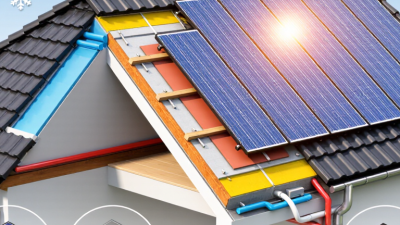
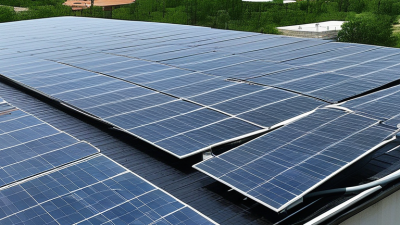
Photovoltaic roof tiles combine a weather-shedding roof surface with small solar-electric modules. Their semiconductor cells absorb daylight and release electrons, producing direct-current electricity. Roof wiring carries that current to an inverter, which converts it into alternating current for household circuits. Any surplus may be stored or exported, depending on the installed system and local setup. The tiles generate power from daylight, not heat; cloudy skies can reduce output without stopping it completely.

Performance depends on more than the tile itself. Roof direction, pitch, nearby trees, temperature, and ventilation all matter. A shaded chimney can affect a section of the array, while poor airflow may increase cell temperature and lower output. In practice, every roof has quirks. A neat product specification cannot reveal all of them. Before choosing tiles, ask a qualified installer to assess roof condition, layout, wiring routes, and expected seasonal production. Compare estimates using consistent assumptions, and check how damaged tiles can be accessed or replaced.

Tips: Photograph the roof at different times of day to spot changing shade. Request a clear estimate of usable roof area and projected generation. Keep a little room for maintenance access; it is easy to overlook until work is needed.
Key Types, Materials, and Performance Features of Solar Roof Tiles

Solar roof tiles combine weather protection with electricity generation, but their designs differ. Some replace conventional tiles across the roof; others use solar sections alongside standard roofing. The choice affects appearance, installation work, and how much roof area can produce power. Details matter. Ask how the system handles valleys, edges, and roof penetrations, where careful flashing is essential.

Most tiles use crystalline-silicon cells sealed beneath tempered glass or protective coatings. Monocrystalline cells generally offer strong output in limited space, while some thin-film designs prioritize flexibility or a low-profile finish. The visible roofing may resemble clay, concrete, or slate, yet appearance alone reveals little about durability. Check documented test results, installation instructions, and compatibility with the roof structure.

Performance depends on more than cell material. Roof direction, pitch, shade from trees, and local heat can change energy yield. Integrated tiles may sit closer to the roof than rack-mounted panels, so ventilation and temperature management deserve attention. Not always. A sleek surface can still produce less power if shaded or poorly oriented. Compare rated output, usable coverage, wiring, inverter requirements, and warranty terms for the complete system, not just individual tiles.

Top Photovoltaic Roof Tile Options for Global Buyers in 2026

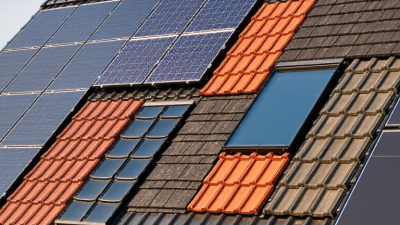
For global buyers in 2026, photovoltaic roof tiles offer several distinct options. Integrated solar tiles replace conventional roofing, creating a uniform appearance on new builds or full roof renovations. Their fit depends on roof design, installation skill, and access to compatible electrical equipment. Retrofit solar tiles or modules may suit roofs that remain structurally sound, though appearance and mounting details can vary. Small roof sections matter. Vents, chimneys, and dormers can reduce the usable area more than a brochure suggests.

Compare output per usable roof area, not just rated capacity. Ask for product specifications, installation instructions, fire and electrical safety documentation, and warranty terms applicable in your market. Requirements differ by location, so confirm local approval with a qualified installer. In hot climates, ask how the system manages heat; in snowy regions, consider drainage and snow retention. Request a roof-load assessment before choosing heavier components. Also check replacement procedures: a damaged tile should not require unnecessary work across a large roof section. There is no perfect option. Even careful planning can miss a detail, so review a sample layout with the installer before ordering.

2026 Top Photovoltaic Roof Tiles for Global Buyers - Top Photovoltaic Roof Tile Options for Global Buyers in 2026

A practical comparison of common photovoltaic roof-tile formats. Figures are indicative category-level ranges, not specifications for a particular product; actual output and suitability depend on the product design, roof layout, climate, and installation.

Roof-integrated PV option Typical appearance and format Indicative output density Typical module efficiency Roof and installation considerations Potential advantages Key checks for global buyers
Small-format photovoltaic tiles Individual PV units arranged in overlapping rows, designed to resemble conventional roof tiles. Approximately 80–160 W/m² of PV-covered roof area Approximately 15–22% for the PV module area Many small units and electrical connections can make installation more detailed than installing large modules. Roof geometry and shading affect usable coverage. Tile-like appearance; useful where a traditional roof profile is preferred. Confirm compatible roof battens, flashing, wiring layout, replacement method, and local fire and wind-load requirements.
Solar shingles Flat, elongated PV pieces integrated into shingle-style roof courses. Approximately 100–180 W/m² of PV-covered roof area Approximately 15–22% for the PV module area Typically suited to roof designs and installation systems specified for the product. Installation details around valleys, ridges, and penetrations are important. Low-profile appearance and broad, relatively uniform roof coverage. Check roofing-system compatibility, roof pitch limits, ventilation details, electrical configuration, and availability of qualified installers.
Slate-style photovoltaic tiles Dark, rectangular units intended to complement slate or slate-look roofing. Approximately 90–170 W/m² of PV-covered roof area Approximately 15–22% for the PV module area Small-format layouts may require careful setting-out and additional labor. Existing slate roofs may need a compatible mounting and weatherproofing approach. Can suit projects where a dark, restrained roof finish is desired. Review roof loading, waterproofing details, snow and wind design, repair procedures, and product-specific test documentation.
Terracotta-style photovoltaic tiles Curved or profiled units designed to coordinate with clay-tile roof forms and colors. Approximately 80–160 W/m² of PV-covered roof area Approximately 14–21% for the PV module area Curved profiles and tile overlap can affect spacing, coverage, and installation complexity. Performance depends on the active PV area and roof orientation. May blend more naturally with terracotta-style architecture than conventional framed panels. Confirm profile compatibility, roof pitch, regional roofing practices, fire classification, and replacement-unit supply.
Large-format integrated PV roof panels Larger roof-covering elements with integrated PV cells, often installed in wider sections than individual tiles. Approximately 120–200 W/m² of PV-covered roof area Approximately 16–23% for the PV module area Fewer, larger elements may simplify coverage, but handling, roof layout, and edge detailing must follow the system design. Can provide relatively high output per covered area while serving as part of the roof envelope. Check panel dimensions, weight, electrical connectors, drainage and flashing details, and suitability for the local climate zone.

Buyer note: Output-density and efficiency ranges are indicative and are not directly interchangeable. Ask suppliers for independently verified datasheets and confirm applicable requirements, such as IEC 61215 and IEC 61730 where relevant, local electrical codes, fire classification, structural loads, warranty terms, and service support in the destination market.

How Climate, Roof Design, and Local Rules Affect Product Choice

Climate should guide photovoltaic roof-tile selection before appearance. In hot regions, roof ventilation and tile temperature matter; prolonged heat can reduce electrical output. Coastal air also raises corrosion concerns, while exposed roofs may face strong winds. NREL’s review of nearly 2,000 photovoltaic degradation estimates found a median annual rate of about 0.5%. That figure describes PV systems broadly, not every roof-tile product. Heat matters. Ask for climate-specific test results, including wind, moisture, and temperature performance.

Roof geometry can make an attractive tile impractical. Complex hips, valleys, skylights, and shaded dormers may leave fewer usable areas and complicate flashing. Check roof pitch, structural capacity, underlayment, and repair access before comparing output estimates. Local building and fire requirements, historic-district controls, and utility connection procedures also vary by location. Confirm approvals with local authorities and a qualified installer; assumptions made for one country may not transfer. IEA PVPS reported roughly 1.6 terawatts of cumulative solar PV capacity worldwide by the end of 2023, but broad adoption does not prove that every tile suits every roof. Details vary. A site survey and written warranty terms are worth the extra time.

2026 Top Photovoltaic Roof Tiles for Global Buyers

How climate, roof design, and local rules affect product choice

In hot conditions, a less-negative temperature coefficient generally means less power loss as cells warm up. These approximate technology-level values are representative of commonly published module datasheets; exact performance varies by product. For roof-tile systems, also check roof pitch and structural suitability, wind and fire requirements, and local building and electrical approvals.

How to Compare Costs, Warranties, Installation, and Long-Term Value

2026 Top Photovoltaic Roof Tiles for Global Buyers

A fair comparison starts with the complete installed cost, not the price per tile. Ask for separate figures for tiles, inverters, underlayment, electrical work, scaffolding, and roof repairs. A detailed site inspection can reveal costs that a remote estimate misses. Get it in writing.

Check what each warranty actually covers. Product, power-output, and installation warranties may have different terms and exclusions. Ask who handles a claim, whether labor is included, and what happens if a tile must be replaced years later. Small print matters. Keep copies of the quote, installation records, and maintenance guidance.

Installation quality affects both roof performance and energy production. Confirm the installer has experience with the specific roof type, and ask how they manage flashing, wiring routes, ventilation, and weather delays. A low-cost system may offer weaker long-term value if repairs are difficult or replacement parts are hard to source. Compare expected output using your roof’s orientation and shading, then weigh it against local electricity costs and likely maintenance. Forecasts are estimates, not promises. It is easy to overvalue a polished payback chart and overlook the practical cost of future roof access.