How to Choose Solar Cell Roof Tiles for Global Projects
Choosing solar cell roof tiles for global projects requires more than comparing wattage and appearance. Each roof presents different conditions, including wind exposure, rainfall, snow loads, heat, and installation access. A tile that performs well in Spain may behave differently in Indonesia or Canada. Climate matters greatly.
Project teams should verify power output, temperature coefficients, fire ratings, waterproofing details, and mechanical strength. They should also examine product testing, manufacturing traceability, and warranty terms. Independent certifications can support technical decisions, but certificates do not replace site assessment. Roof pitch, orientation, shading, and existing materials must be measured before procurement. Small details matter, such as cable routes beneath tiles and safe access for maintenance.
Experience often reveals practical limitations. Some solar cell roof tiles look elegant but require slower installation or specially trained contractors. Replacement units may also be difficult to obtain in remote markets. That risk deserves attention. A reliable selection process compares lifetime energy yield, installation labor, maintenance needs, and local supply support. Initial price alone can mislead project owners. The cheapest option may create higher costs later.
This guide explores how to assess solar cell roof tiles across different regions and building types. It considers technical performance, aesthetics, durability, compliance, and long-term service. Readers should still request current manufacturer data and professional engineering advice. Conditions change. No product suits every roof, and even careful recommendations may need revision after an on-site inspection.
Solar Cell Roof Tiles: Definition, Structure, and Operating Principles
How to Choose Solar Cell Roof Tiles for Global Projects
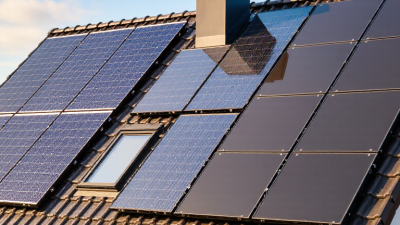
Solar cell roof tiles are roofing components with photovoltaic cells built into their surface. They protect the building while converting sunlight into electricity. Unlike conventional rooftop panels, they can follow a roof’s visual lines more closely. However, appearance should not replace performance testing.
A typical tile includes tempered glass, photovoltaic cells, an encapsulating layer, electrical conductors, and a weather-resistant rear structure. Some designs use interlocking edges to manage rainwater and wind uplift. During operation, sunlight strikes the cells and creates direct-current electricity. An inverter then converts it into alternating current for household or commercial use. Batteries may store surplus power for later demand.
Project experience shows that roof pitch, shading, temperature, and local weather strongly affect output. Coastal air, heavy snow, hail, and high winds require different material and installation decisions. Check fire ratings, electrical certifications, drainage details, repair methods, and replacement availability in the target country. A small shaded section can reduce practical yield more than expected.
Tips: Request independent performance data, not only laboratory claims. Inspect one sample tile, its connectors, and its underside. Confirm how technicians will access damaged units. I would also model seasonal sunlight before approving the design. A beautiful roof can still produce disappointing energy. That lesson is easy to overlook.
Assessing Climate, Building, and Energy Requirements for Global Projects
How to Choose Solar Cell Roof Tiles for Global Projects
Climate should guide the first decision. The IEA Renewables 2024 report expects solar PV to provide almost 80% of renewable capacity growth through 2030. That scale increases pressure on every roof system. Compare local solar radiation, humidity, wind, snow, hail, and temperature cycles. The World Bank’s Global Solar Atlas can support early irradiation checks. However, satellite data can miss nearby shading and dust. A pale roof beside a busy road may lose output faster than expected. Use site measurements before final design.
Building conditions matter just as much. Review roof pitch, drainage, structural loads, fire performance, access routes, and replacement methods. IEC 61215 and IEC 61730 provide useful benchmarks for module durability and safety. Yet certification does not remove installation risks. An older roof may need reinforcement before adding integrated tiles. Match the system to the building’s energy profile, not only its annual consumption. Hospitals, factories, and remote facilities need different storage and backup strategies. IRENA’s Renewable Capacity Statistics 2024 shows solar remains the fastest-growing renewable technology, but rapid growth can encourage rushed specifications.
Tips: Request hourly load data for at least twelve months. Model winter output, not only annual yield. Check salt exposure near coastlines. Leave safe access for cleaning and inspection. Ask for documented thermal, wind, hail, and fire test results. Keep one assumption open for review; weather patterns and building use may change.
Comparing Tile Technologies, Efficiency, Durability, and Installation Methods
Choosing solar roof tiles for a global project starts with the roof, not the product brochure.
Tile technologies differ in output, weight, appearance, and installation needs. Crystalline tiles usually provide higher efficiency on limited roof space. Thin-film options may perform better on some low-light surfaces. However, they often require more roof area. Request independently verified performance data. Experienced installers should assess sunlight, wind exposure, snow load, roof pitch, and local climate.
Durability deserves equal attention.
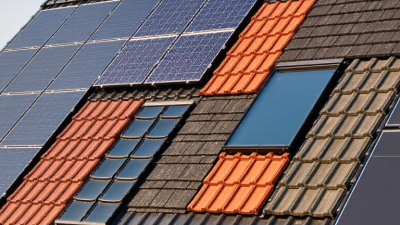
Check water resistance, fire classification, hail testing, ultraviolet stability, and temperature-cycle performance. A tile may look strong in a showroom yet fail around poorly sealed joints. Installation methods include full roof replacement and overlays fixed above existing tiles. Replacement systems improve integration but may require structural work and skilled labor. Overlays reduce disruption, although uneven roofs can cause drainage and wiring problems. Confirm flashing, fastening, cable routes, and repair access. Documentation must match local building and electrical requirements.
Tips: Request samples and inspect their edges, connectors, and undersides. Compare output after heat exposure, not just peak efficiency. Keep spare tiles where shipping delays are common. I have seen projects underestimate roof preparation costs. That mistake is expensive. A neat layout can also reduce service access. Leave safe working paths, even when they slightly lower the tile count.
Selecting and Implementing the Best Solar Roof Tile Solution
Selecting solar roof tiles for a global project starts with the building, not the catalog. In site reviews, I check roof pitch, shadow paths, wind exposure, and drainage. A tile suited to a Mediterranean villa may fail on a snowy commercial roof. Measure usable roof area after vents, skylights, and fire access paths. Small errors become expensive. Compare rated power, temperature behavior, impact resistance, and expected service life. Ask for independent test reports, not only sales figures. Early specifications are often too optimistic.
Implementation needs a coordinated design team. Structural engineers should confirm load limits and fixing points before procurement. Electricians must map string layouts, cable routes, isolators, earthing, and inverter locations. Roofers should review flashing details and replacement procedures. Keep maintenance practical. A cracked tile should be replaceable without removing a large roof section. For hot regions, allow ventilation beneath the tiles. For cold regions, examine snow loads and ice movement. In coastal areas, verify corrosion resistance for fasteners and connectors.
Global deployment also requires local approval pathways. Check building permits, grid-connection rules, product certification, fire classification, and recycling obligations in each market. Use actual site climate data, then model annual output conservatively. Include monitoring and inspection records in the handover package. I would also run a small pilot roof before scaling. It may reveal awkward installation steps or weak documentation. That is not failure. It is useful evidence. Revisit the design after the first rainy season, because real water behavior can challenge a perfect drawing.