What Are the Best Solar Panel Roof Tiles from China?

Choosing the best solar panel roof tiles from China requires more than comparing glossy product photos. These systems combine roofing materials, photovoltaic cells, electrical components, and installation methods. A reliable evaluation should examine efficiency, weather resistance, fire performance, drainage design, and long-term maintenance. Looks can mislead.

Chinese manufacturers offer several styles, including integrated photovoltaic tiles, thin-film options, and modular solar roofing systems. Some products resemble dark slate, while others use textured glass surfaces that reflect morning light. The right choice depends on roof pitch, local climate, available sunlight, and the building’s structural capacity. A tile designed for a dry region may perform differently under snow, salt air, or frequent storms. That matters.

Professional buyers should request clear datasheets, independent test reports, warranty terms, and factory quality-control information. Certifications should be verified for the intended market, not accepted from a product page alone. It is also wise to inspect the mounting system, cable protection, inverter compatibility, and replacement process. Details decide. An experienced installer can identify weak roof sections before installation begins and estimate realistic annual energy production. However, even strong specifications cannot remove every uncertainty. Actual output may change with shading, dust, temperature, and installation quality. Buyers should compare several Chinese suppliers, ask detailed technical questions, and review completed projects where possible. A lower purchase price may become expensive if damaged tiles are difficult to replace or technical support is slow. The best solar panel roof tiles are therefore not simply the most powerful or attractive. They are products supported by transparent evidence, suitable design, dependable service, and careful local installation.
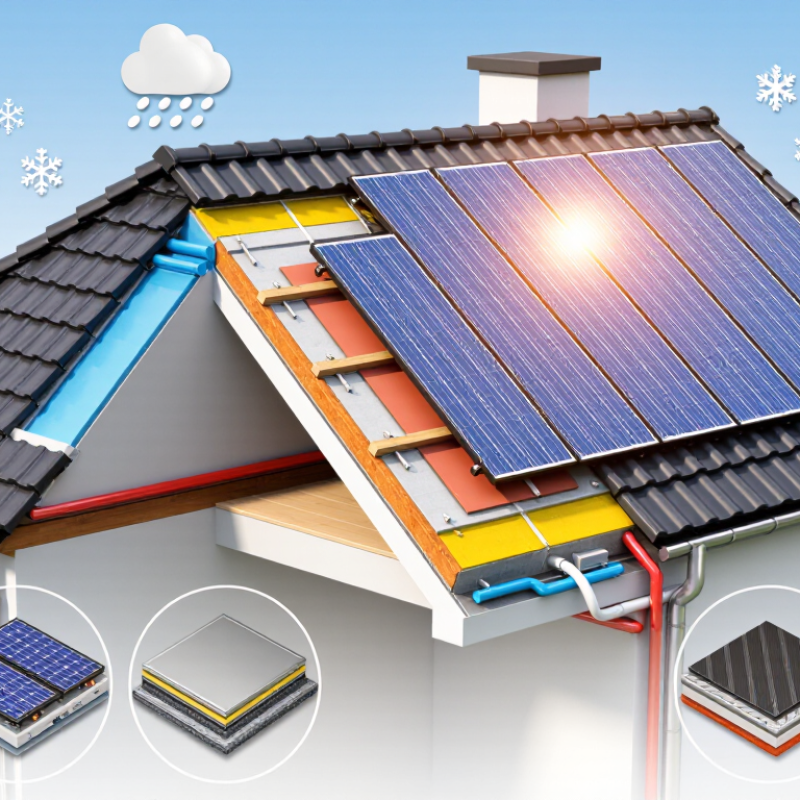
What Are the Best Solar Panel Roof Tiles from China?

What Are Solar Panel Roof Tiles and How Do They Work?

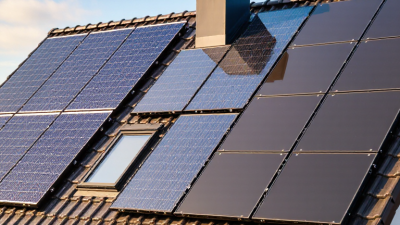
Solar panel roof tiles combine roofing materials with photovoltaic cells. They look more like ordinary tiles than framed solar modules. Beneath their glass surface, solar cells capture sunlight and produce direct-current electricity.

A roof-mounted inverter converts this electricity into alternating current for household appliances. Extra power may charge a battery or move through an approved grid connection. Each tile usually connects through hidden wiring beneath the roof surface. Installation quality matters greatly. A small gap around a tile can allow water intrusion, especially during heavy rain.

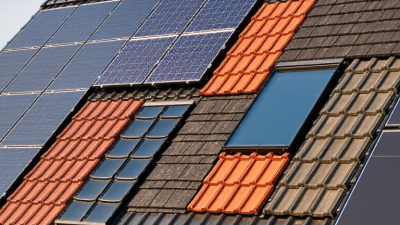
Chinese manufacturers produce several tile designs, including flat glass tiles and textured versions resembling slate. The strongest options should show clear test records for electrical safety, fire resistance, wind loading, and water protection. Ask for measurable power output, temperature coefficients, warranty terms, and replacement procedures. Marketing photos are not enough.

Roof angle changes performance.

A practical inspection should check shadows from chimneys, nearby trees, and taller buildings. Even partial shade can reduce output across connected tiles, depending on the system design. Roof tiles may create a cleaner appearance, but they often cost more and can be harder to repair than standard solar panels. I would not choose them only for appearance. A detailed energy estimate, roof condition report, and installer experience should guide the decision. Some projects also reveal an awkward truth: attractive tiles may generate less electricity per square meter than conventional modules.

What Are the Best Solar Panel Roof Tiles from China? - What Are Solar Panel Roof Tiles and How Do They Work?

Evaluation Dimension Crystalline-Silicon Solar Roof Tiles Thin-Film Solar Roof Tiles Solar Glass Roof Tiles
How They Work Photovoltaic cells convert sunlight directly into direct-current electricity. An inverter then converts it into alternating current for household use. A thin semiconductor layer absorbs light and generates electricity. The technology can perform relatively well under diffuse or low-angle sunlight. PV cells are laminated between protective glass layers, combining a roofing surface with electricity generation.
Typical Module Efficiency Approximately 18%–23%, depending on cell technology, temperature, and design. Approximately 10%–18% for common building-integrated applications. Approximately 15%–22%, depending on the cell type and glass configuration.
Typical Rated Power Usually about 30–80 W per tile or shingle-sized unit. Usually about 20–60 W per tile-sized unit, depending on its surface area. Usually about 30–100 W per integrated tile or larger roofing panel.
Common Materials Monocrystalline silicon cells, tempered glass, polymer encapsulant, aluminum or polymer backing, and roofing connectors. Thin-film semiconductor layers deposited on glass, metal, or flexible polymer substrates. Tempered or laminated glass, photovoltaic cells, encapsulant, waterproof seals, and structural mounting components.
Best Use Case Homes with limited roof space where high power density and strong energy output are important. Lightweight roofs, curved surfaces, shaded locations, or projects where lower structural loading is required. New construction and architectural projects that prioritize a uniform glass appearance and weather protection.
Appearance Options Black, dark gray, terracotta-style, and patterned designs are commonly available. Smooth, dark, matte, or flexible surfaces with fewer visible cell lines. Transparent, translucent, colored, textured, or opaque glass finishes.
Temperature Performance Power output generally decreases as cell temperature rises; a typical temperature coefficient is about −0.25% to −0.40% per °C. Some thin-film technologies have a lower temperature sensitivity than crystalline silicon, although results vary by chemistry. Performance depends on the installed cell technology, glass heat retention, ventilation, and roof design.
Weather Resistance Should be tested for moisture, hail, wind, UV exposure, and thermal cycling according to applicable standards. Requires reliable encapsulation and edge sealing because moisture ingress can affect thin-film layers. Strong glass can provide good impact and weather protection, but framing, seals, and fixing points must also be properly designed.
Expected Service Life Often designed for approximately 25–30 years, with gradual power degradation over time. Often designed for approximately 20–30 years, depending on encapsulation and the semiconductor technology. Often designed for approximately 25–30 years when the glass, seals, cells, and mounting system are correctly specified.
Installation Requirements Needs compatible battens, hooks, waterproof flashing, electrical connectors, cable management, and an inverter or microinverters. Needs a substrate suitable for the roof shape, secure bonding or mechanical fixing, waterproof detailing, and appropriate electrical protection. Needs structural support, drainage paths, thermal expansion allowances, waterproof joints, and electrical integration.
Main Advantages High efficiency, mature supply chain, good power density, and broad compatibility with residential solar systems. Lightweight design, flexible form factors, and potentially better performance in diffuse light or high temperatures. Integrated roofing and power generation, strong visual uniformity, and design flexibility for new buildings.
Main Limitations Higher weight than some thin-film products and possible output losses from shading or poor ventilation. Lower power density in many products and greater sensitivity to installation quality and moisture protection. Potentially higher structural and installation requirements, greater weight, and more complex replacement procedures.
Key Purchasing Checks Verify efficiency, power tolerance, temperature coefficient, fire rating, wind and snow-load ratings, waterproof design, and certification for the destination market. Verify substrate durability, moisture barriers, bending limits, fire performance, low-light behavior, and compatibility with the mounting system. Verify glass thickness, slip resistance where applicable, impact rating, thermal expansion design, drainage, fire classification, and replacement access.

The most suitable solar roof tile depends on roof orientation, shading, climate, structural capacity, local building codes, required energy output, and installation cost. The performance figures above are typical ranges and should be confirmed against the specific product datasheet and applicable certification.
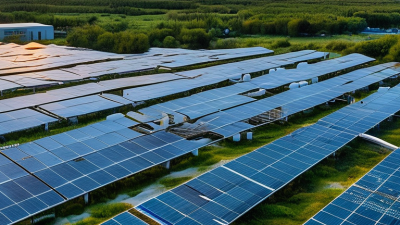
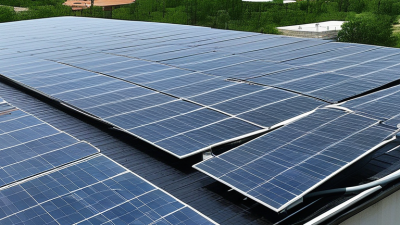
Which Chinese Solar Roof Tile Technologies Are Available?

Chinese solar roof tile technology now covers several practical designs. The most common option uses monocrystalline silicon cells inside tempered glass tiles. These tiles resemble dark slate or flat ceramic pieces, while producing electricity across the roof surface. Some suppliers also offer glass-glass modules with hidden cell connections. They usually provide stronger moisture protection and a cleaner appearance.

Flexible thin-film tiles are another available technology. CIGS-based products can follow curved surfaces and reduce structural weight. They suit older roofs, lightweight extensions, and buildings with unusual shapes. Their efficiency is often lower than crystalline silicon, but their installation flexibility can be valuable. Some Chinese manufacturers combine solar cells with insulated roofing panels. This approach may reduce separate material layers and simplify construction.

Small-format shingle tiles can improve visual alignment around vents, ridges, and roof edges. Integrated wiring and compact power optimizers may also support safer system layouts. However, product quality varies widely. Certification documents, fire ratings, wind-load tests, and waterproofing details deserve careful review. Ask for independent laboratory reports, not only factory brochures. A beautiful tile can still perform poorly under heat, dust, or partial shade.

No tile is perfect. Some newer designs have limited long-term field data. Their warranties may sound strong, but replacement procedures can remain unclear. Check local installer experience, spare-part access, drainage design, and temperature performance before ordering. A small roof sample can reveal glare, color differences, and installation problems early.

What Are the Best Solar Panel Roof Tiles from China?

Typical conversion-efficiency ranges of Chinese solar roof tile technologies

Monocrystalline silicon technologies generally provide the highest efficiency for solar roof tiles. TOPCon and HJT designs can achieve higher efficiency than conventional PERC-based products, while CIGS thin-film tiles offer better flexibility and performance on curved surfaces but typically have lower conversion efficiency. Actual roof output also depends on tile dimensions, temperature, shading, ventilation, roof orientation, and installation design.

How to Compare the Best Solar Roof Tiles from China

What Are the Best Solar Panel Roof Tiles from China?

Comparing solar roof tiles requires more than checking peak wattage. The IEA PVPS Trends 2024 report recorded 456 GW of new photovoltaic capacity worldwide in 2023, with China contributing about 217 GW. This scale supports competitive manufacturing, but it does not guarantee equal tile quality. Check power density, conversion efficiency, temperature coefficient, and tested degradation rates. A tile producing 120 watts may look attractive, yet it can generate less power per square metre than a conventional module.

Fraunhofer ISE’s Photovoltaics Report 2024 places mainstream crystalline-silicon module efficiency broadly around 20% to 23%. Use that range as a practical benchmark. Ask for independent test evidence under IEC 61215 and IEC 61730, plus fire, hail, wind, and moisture testing. Review the installation manual closely. Ventilation gaps, roof direction, partial shading, and connector placement can change real output. Small details matter.

Cost comparison should include mounting parts, compatible inverters, replacement access, labour, and roof repairs. A lower purchase price may become expensive when one damaged tile requires careful removal of surrounding tiles. Warranties also deserve scrutiny; product and performance coverage are different promises. I would not trust peak laboratory figures alone. Aesthetic integration is valuable, but electricity yield remains the harder truth. Some manufacturers publish impressive data with limited field history, so buyers should request operating records from similar climates. That evidence may be incomplete, and this is where careful judgment is necessary.

What Quality, Safety, and Certification Standards Should Buyers Check?

When evaluating solar panel roof tiles from China, buyers should verify performance beyond attractive efficiency claims. Ask for independent test reports against IEC 61215 for durability and IEC 61730 for electrical safety. These reports should identify the exact model, factory, test laboratory, and production date. Generic certificates are weak evidence. They may describe a similar product, not the tiles offered.

Inspect resistance to hail, wind, snow, humidity, and repeated temperature changes. Roof tiles face years of rain, heat, and freezing conditions. Check the fire classification for the complete roof assembly, not only the photovoltaic module. Confirm waterproofing details around overlaps, cable exits, and roof penetrations. An IP rating helps, but it does not replace correct installation. I would also request mechanical-load data and test results from an accredited laboratory. Small details matter here.

Certification marks should be traceable through the issuing organization’s database. Check whether the factory maintains ISO 9001 quality controls, incoming-material records, and serial-number tracking. Review the warranty for power loss, product defects, installation limits, and claim procedures. Local electrical, structural, and grid requirements still apply, even when Chinese certificates are valid. A certificate alone cannot guarantee a safe roof. I have seen buyers focus on efficiency and overlook replacement access. That mistake can become expensive. Ask for installation drawings, maintenance guidance, and a sample tile before placing a large order. Some documents may look professional yet remain incomplete. Verify them carefully.

How to Choose a Reliable Chinese Solar Roof Tile Manufacturer?

Choosing a reliable Chinese solar roof tile manufacturer requires more than comparing prices.

The factory should provide clear technical data, production photos, and recent project references. Ask where the cells, glass, wiring, and roof connectors are sourced. A serious manufacturer can explain each component without hiding behind sales language.

Request independent test reports for power output, water resistance, wind load, fire performance, and long-term durability. Check whether the reports match the exact tile model, not a similar product. Factory audits are useful when they include equipment checks, quality records, and worker training. I would also inspect sample tiles personally. Small details matter, such as uneven frames, weak cable joints, or inconsistent surface color.

Warranty terms need careful reading.

Look for separate product and performance warranties, response times, replacement procedures, and exclusions. Ask how serial numbers support traceability after installation. A dependable supplier usually offers installation drawings and technical support for local roof structures. However, no manufacturer is perfect. Early samples may perform well while later batches vary. Independent inspection before shipment can reduce that risk. I have seen buyers focus on attractive efficiency figures and overlook packaging damage, which later caused installation delays. Honest communication about these weaknesses is often more valuable than polished promises.