Who Are the Top Solar PV Tiles Manufacturers in China?

Chinaโ€™s solar market is large, but scale alone does not identify the best solar pv tiles manufacturers. The IEA PVPS Trends 2024 report estimates that global photovoltaic capacity reached about 1.6 terawatts in 2023, after roughly 447 gigawatts of additions. China accounted for a major share of that growth. These figures describe the broader PV market, not tile sales. That distinction matters.

IEA Executive Director Fatih Birol described solar as โ€œthe new king of electricity markets around the world.โ€ His remark concerns solar power broadly, but it helps explain why building-integrated products are attracting attention. For solar tiles, however, performance depends on more than the cell. Roof geometry, installation details, weather resistance, electrical output, warranties, and compatibility with local building designs all deserve close examination. A sleek sample on a showroom roof may not tell the whole story.

This guide compares Chinese manufacturers through verifiable product specifications, documented projects, certifications, and after-sales supportโ€”not marketing claims alone. Not just output. Tile-level production data and long-term field records can be difficult to compare across brands, so some conclusions remain provisional. That is the test. Readers should treat rankings as a starting point, then confirm current specifications and project references directly with manufacturers.
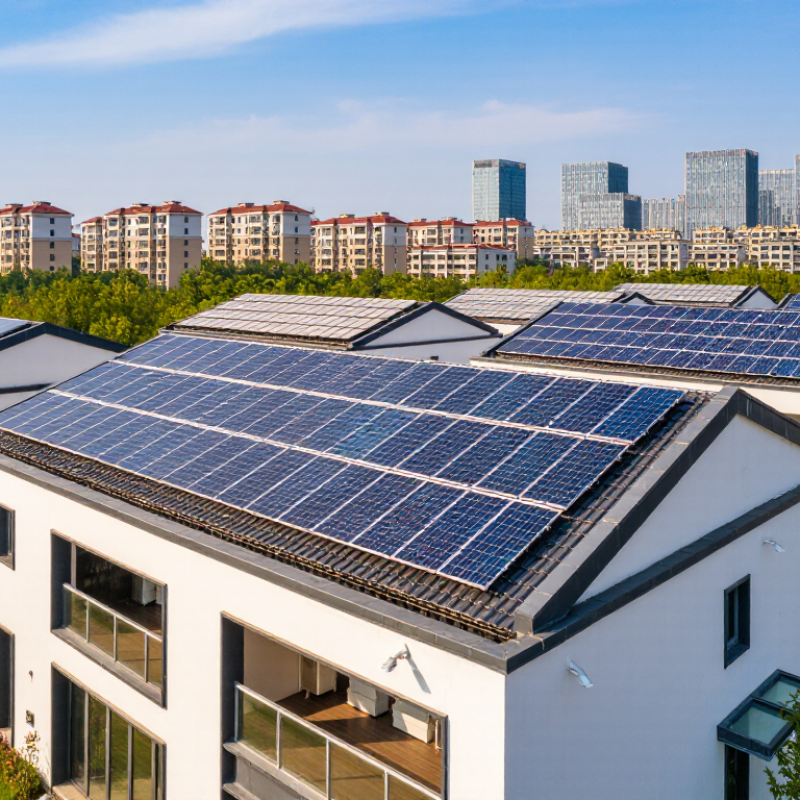
Who Are the Top Solar PV Tiles Manufacturers in China?

Solar PV Tiles: Technology, Design, and Key Applications

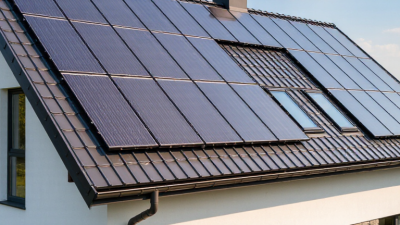
Solar PV tiles combine roof covering and electricity generation in one assembly. Most designs place photovoltaic cells beneath weather-resistant glass, then use shaped edges to overlap like conventional tiles. Electrical connections sit under the roof surface, where careful cable routing helps limit water entry and heat buildup. Small details matter.

Tile geometry affects both appearance and output. Narrow formats can fit roof lines neatly, but gaps, vents, chimneys, and shade reduce usable cell area. Installers should assess roof direction, pitch, ventilation, and structural condition before estimating production. The IEA PVPS Trends 2024 report estimated that global photovoltaic capacity additions reached about 456 GW in 2023. That figure describes the wider PV market, not solar tiles alone, but it shows the scale of the technology behind them.

Solar tiles suit new homes, heritage-sensitive projects, and selected roof renovations where visible panels are unwelcome. They can produce power for household use, with excess electricity managed through an inverter or storage system. Yet they are not automatically the better roof choice. Their output, repair access, and replacement costs depend on the specific design and installation quality. A beautiful roof still needs sound electrical planning.
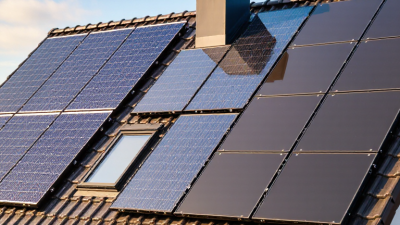

Chinaโ€™s Solar PV Tile Manufacturing Landscape

Chinaโ€™s solar PV tile manufacturing landscape brings together photovoltaic cell production, building-material engineering, and precision assembly. A tile must do more than generate electricity. It also needs to shed rain, tolerate temperature changes, and fit alongside ordinary roofing components. Manufacturers therefore coordinate glass or ceramic surfaces, encapsulation layers, wiring, and mounting details. The work is visible in small places: a sealed cable exit, a consistent tile edge, or a connector that remains accessible beneath the roofline. Details matter. Production scale alone does not show how well a product will perform on a specific building.

Chinaโ€™s broad materials and electronics supply chains support varied designs, from tiles that resemble conventional roof coverings to flatter, more visibly photovoltaic formats. Buyers can compare rated output, tested durability, installation guidance, and the availability of replacement pieces. Ask for test documentation and clarify how performance figures were measured. A product sheet is useful, but it cannot reveal every installation challenge. Still, the landscape is not perfectly neat: appearance, cost, roof compatibility, and electrical output may pull in different directions. Even experienced teams can underestimate layout constraints around ridges, valleys, and shaded edges. That makes practical project records as valuable as factory claims.

Who Are the Top Solar PV Tiles Manufacturers in China? - Chinaโ€™s Solar PV Tile Manufacturing Landscape

This overview compares product and manufacturing segments rather than ranking named companies. Comparable, independently verified shipment and production-capacity figures for solar PV tile suppliers are not consistently disclosed publicly.
Supplier segment Typical product Manufacturing focus Common project fit Key evaluation checks
Integrated solar roof-tile producers Small photovoltaic units designed to form part of a tiled roof covering Electrical integration, roof interfaces, weatherproofing, and installation components New-build or re-roofing projects where the roof covering and PV system are planned together Tested roof-system details, fire and electrical safety documentation, replacement process, and installer support
Solar-shingle suppliers Low-profile PV roofing elements installed in overlapping courses or as part of a roof assembly Compact PV packaging, interconnection design, and compatibility with roofing layers Residential roofs where appearance and integration with the building envelope are priorities Product-level performance data, roof-system warranties, repair access, and compatibility with local codes
Building-integrated PV (BIPV) roof manufacturers PV roof panels or building components that perform both an electricity-generation and building-envelope function Coordination of PV modules with structural, waterproofing, and architectural requirements Commercial, public, and residential buildings designed around integrated roof systems Project-specific structural calculations, drainage details, fire performance, and system-level certification
PV glass and metal-roof system suppliers PV roof or faรงade elements using glass or metal-based building components Materials processing, module encapsulation, mounting interfaces, and building-system integration Large roofs and projects requiring a coordinated architectural or industrial roof solution Wind and load design, corrosion resistance where relevant, water tightness, and documented electrical safety
Conventional PV module manufacturers serving rooftop projects Framed or frameless PV modules mounted above an existing roof rather than used as the roof covering Cell and module production, electrical performance, and compatibility with mounting systems Rooftops where a separate, established roof covering remains in place Module datasheets, applicable IEC test certificates, mounting design, and separate roof and PV-system warranties

Note: Solar roof-tile products are not directly comparable with standard framed PV modules. Confirm that certificates and performance figures apply to the exact product model and, where relevant, to the complete roof assembly.

Leading Solar PV Tile Manufacturers in China

Chinaโ€™s leading solar PV tile manufacturers compete on more than cell efficiency. Strong suppliers coordinate tile geometry, electrical performance, and roof installation details. Look for clear specifications on rated output, dimensions, connector type, and performance under partial shade. Ask how tiles integrate around ridges, valleys, and roof edges. Those small details can affect both appearance and installation time.

A dependable manufacturer should provide traceable test documents, installation guidance, and a realistic warranty process. Review sample tiles in person. Check their surface finish, cable exits, and resistance to handling during installation. Request references for projects with similar roof pitch and climate. A polished brochure is not enough. Some product claims may still need careful verification, especially when testing conditions differ from a real roof.

Tips: Compare complete roof-system support, not just tile prices. Ask who handles technical questions after delivery, and request written maintenance instructions. Confirm that replacement tiles can match the original dimensions and electrical connections. This point is easy to overlook. Also, discuss expected output using your roofโ€™s orientation, shade, and local weatherโ€”not a generic best-case estimate.

How Chinese Solar PV Tile Manufacturers Compare

Chinaโ€™s solar PV tile manufacturers differ less by appearance than by engineering choices. Compare power output per square meter, rated capacity, operating temperature, and performance under partial shade. A glossy finish may look impressive, yet roof geometry and ventilation often matter more.

Ask how each manufacturer tests waterproofing, wind resistance, and electrical insulation. Request test reports for the exact tile model, not just a general product family. Check whether replacement tiles remain available and whether connectors, flashing, and installation guides are clearly specified. Details count. A sample roof section can reveal uneven color, awkward overlaps, or fragile edges before a large order.

Manufacturing capacity is only one measure of reliability. Review quality-control steps, warranty terms, product traceability, and the process for handling faults. A longer warranty does not automatically mean easier service. Installation training and technical support can reduce delays, especially on complex roofs. Some comparisons remain imperfect because published data may use different test conditions. Record those assumptions and compare like with like.

Factors to Consider When Choosing a Manufacturer

When comparing solar PV tile manufacturers in China, look beyond appearance and headline efficiency. Ask for technical datasheets showing power output, temperature behavior, fire performance, and installation requirements. Then check whether test reports come from a qualified, independent laboratory and match the exact tile model offered. Ask for evidence.

Roof compatibility matters. Confirm tile dimensions, fixing points, wiring routes, and inverter requirements with your installer before ordering. A sample can reveal details that product photos miss, such as edge finish, weight, and how neatly tiles overlap. Looks are not enough.

Review production capacity and quality controls, not just the factoryโ€™s stated output. Ask how batches are inspected and how defects are handled. Request references for projects in climates similar to yours, and verify warranty terms in writing, including exclusions, response times, and replacement procedures. A long warranty is less useful if its conditions are unclear. Be cautious with unusually low quotations; they may omit mounting parts, shipping, or technical support. I would not treat a polished brochure as proof. Even careful buyers can overlook one small installation detail, so have a qualified local professional review the proposal before committing.