China Top 10 Solar Tile Manufacturers for Global Buyers
China’s solar-tile industry offers global buyers a wide range of products, from roof-integrated photovoltaic modules to tile-shaped systems designed to blend with conventional roofing. This guide introduces ten Chinese manufacturers and considers the details that matter beyond a polished product photo. Think about roof compatibility, rated output, module dimensions, wiring, installation support, and warranty terms. Small differences can affect a real project.
The wider solar market is changing quickly. In the International Energy Agency’s 2020 outlook, Executive Director Fatih Birol said, “I see solar becoming the new king of the world’s electricity markets.” Solar tiles are one part of that shift, but they are not the right answer for every roof. Buyers should compare technical datasheets, request project references, and confirm that certifications apply to the exact model being offered. Ask how replacement tiles are handled, too. That practical question is easy to overlook.
A supplier’s claims deserve careful checking. Not every attractive design delivers the same performance in heat, shade, or complex roof layouts. This ranking-style overview is a starting point, not a substitute for independent engineering review. Some details may change as manufacturers update their products. Check directly before making a purchase.
Solar Tiles: Technology, Design, and Applications
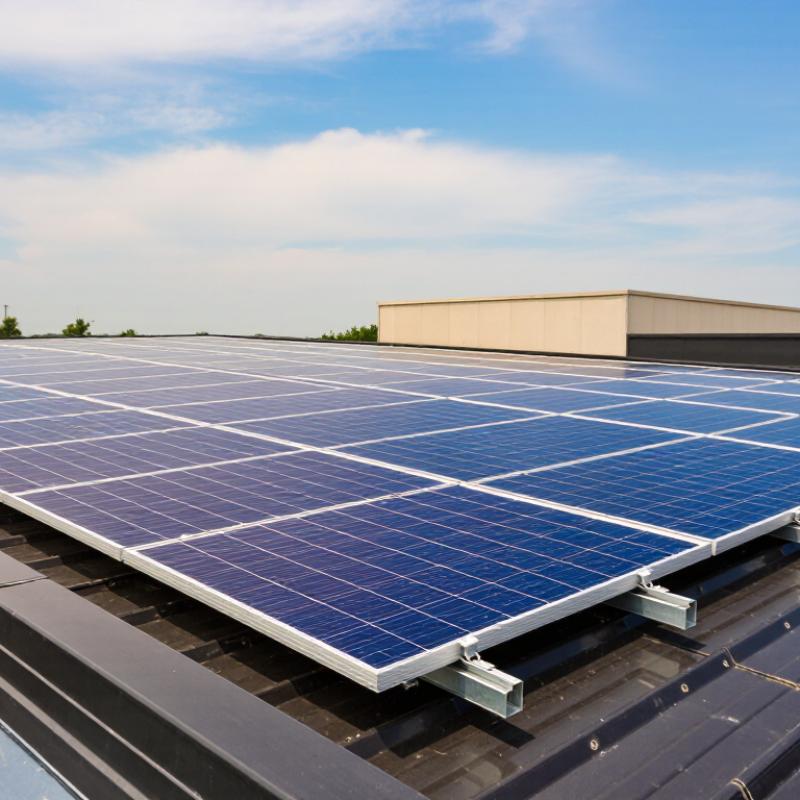
Solar tiles integrate photovoltaic cells into roof surfaces, replacing some conventional roofing materials while generating electricity. Their low-profile appearance can suit new homes, extensions, and buildings where visible panels are unwanted. Looks matter. But performance depends on roof direction, pitch, shade, and local sunlight. A chimney shadow crossing several tiles at noon can reduce output. Electrical layout and ventilation also need careful planning.
Design choices affect more than appearance. Tile shape, color, and roof pattern can influence active area and installation complexity. In practice, matching a solar-tile system to an existing roof may require extra detailing around valleys, vents, and edges. Small gaps matter. Buyers should review product data, installation guidance, weatherproofing details, and expected maintenance with qualified professionals. Results vary by site, and attractive renderings cannot replace a roof assessment.
Tips: Ask for an output estimate based on your actual roof, not a generic example. Check how damaged tiles are replaced and how wiring is accessed. Photograph shaded areas at different times of day; the pattern may surprise you.
China Top 10 Solar Tile Manufacturers for Global Buyers - Solar Tiles: Technology, Design, and Applications
Manufacturer-neutral comparison of solar tile technologies, product formats, and typical applications. Product specifications vary by model and market.
| No. | Solar Tile Format | Typical PV Technology | Design Characteristics | Common Application | Buyer Consideration |
|---|---|---|---|---|---|
| 1 | Flat glass solar tile | Crystalline silicon | Flat, overlapping modules designed to integrate with a roof covering | New residential roofs and roof renovations | Check roof layout, flashing details, electrical connections, and replacement access. |
| 2 | Curved-profile solar tile | Crystalline silicon or thin-film, depending on product design | Shaped to follow a curved tile profile rather than a flat roof plane | Roofs designed around curved or traditional tile forms | Confirm compatibility with the existing roof geometry and local installation practices. |
| 3 | Slate-look solar tile | Usually crystalline silicon in a roof-integrated format | Dark, textured appearance intended to coordinate with slate-style roofing | Residential projects prioritizing a low-profile roof appearance | Compare appearance, active surface area, roof coverage, and warranted roof-system details. |
| 4 | Terracotta-style solar tile | Crystalline silicon or other product-specific PV designs | Color and profile are designed to complement traditional clay-tile roofs | Housing and renovation projects with a traditional architectural style | Ask for verified color and finish samples; appearance can vary with light and viewing angle. |
| 5 | Concrete-tile-compatible solar system | Crystalline silicon modules integrated with or fitted alongside roof tiles | Uses a tile-compatible roof layout; some systems replace selected roof sections | Pitched roofs with concrete tile coverings | Verify tile dimensions, roof loading, underlayment, and water-management details. |
| 6 | Interlocking solar tile | Typically crystalline silicon | Adjacent units connect or overlap to form a coordinated roof surface | New-build roofs and planned full-roof replacement projects | Review edge, ridge, valley, and penetration solutions before finalizing the roof design. |
| 7 | Glass-glass solar roof element | Crystalline silicon cells encapsulated between glass layers | Glass forms part of the visible and protective roof element | Building-integrated photovoltaic roofs and architectural projects | Check structural support, safety-glazing requirements, and the complete roof assembly specification. |
| 8 | Thin-film solar roof element | Thin-film photovoltaic material, such as CIGS, where offered | PV layers are deposited on a supporting substrate; product construction varies | Specialized roof-integrated designs and applications suited to the product format | Compare independently verified power ratings, temperature data, and product-specific certifications. |
| 9 | Solar roof shingle | Usually crystalline silicon; construction differs by system | Narrow, overlapping units arranged in courses similar to roof shingles | Residential pitched roofs seeking an integrated appearance | Check the installed system’s ventilation, wiring routes, serviceability, and roof warranty. |
| 10 | Hybrid solar roof tile system | PV tiles combined with non-generating matching roof tiles | Active and inactive tiles are used together to cover roof areas with different solar exposure | Complex roof shapes, partial shading, or designs requiring consistent roof coverage | Model expected output using roof orientation, shading, local weather, and the system layout. |
Note: These are technology and product-format categories, not a ranked list of companies. Actual performance, dimensions, certifications, and installation requirements must be confirmed from the specific product documentation and applicable local codes.
Related Posts
-
What Are the 2026 Best Solar Tiles?
-

What Makes Solar Panel Tiles a Smart Choice for Sustainable Energy Solutions
-
2026 Top Photovoltaic Tile Types for Global Buyers?
-

How to Choose Solar Cell Roof Tiles for Global Projects
-
2026 How to Choose Solar Panel Roof Tiles?
-

Best Solar Roof Slates for Global Buyers in 2026?