2026 Best Photovoltaic Roof Tiles for Global Buyers?

As global buyers plan for 2026, photovoltaic roof tiles offer a way to combine rooftop power generation with a finished roof surface. Their appeal is clear: the roof can look more integrated than one covered with conventional mounted panels. But appearance alone is a poor buying guide. Details matter. Tile dimensions, electrical output, installation methods, and replacement options can vary between products and markets.

This guide examines photovoltaic roof tiles through practical questions buyers can verify: how product specifications compare, what roof conditions may affect installation, and which warranty terms deserve close reading. Climate also matters. A roof exposed to intense sun, heavy rain, snow, or strong winds may require different design checks. Not every roof is suitable. Buyers should confirm compatibility with a qualified local installer and review the manufacturer’s current technical documents, certifications, service arrangements, and warranty exclusions. Availability and performance claims can change, so published figures should be checked against the exact model being offered. There is no single best choice for every home or project. Some details may remain unclear until a site assessment, and that uncertainty deserves honest attention. The aim here is not to promise a perfect tile, but to help global buyers compare options carefully and ask better questions before making a long-term investment.

2026 Best Photovoltaic Roof Tiles for Global Buyers?

What Photovoltaic Roof Tiles Are and How They Generate Electricity

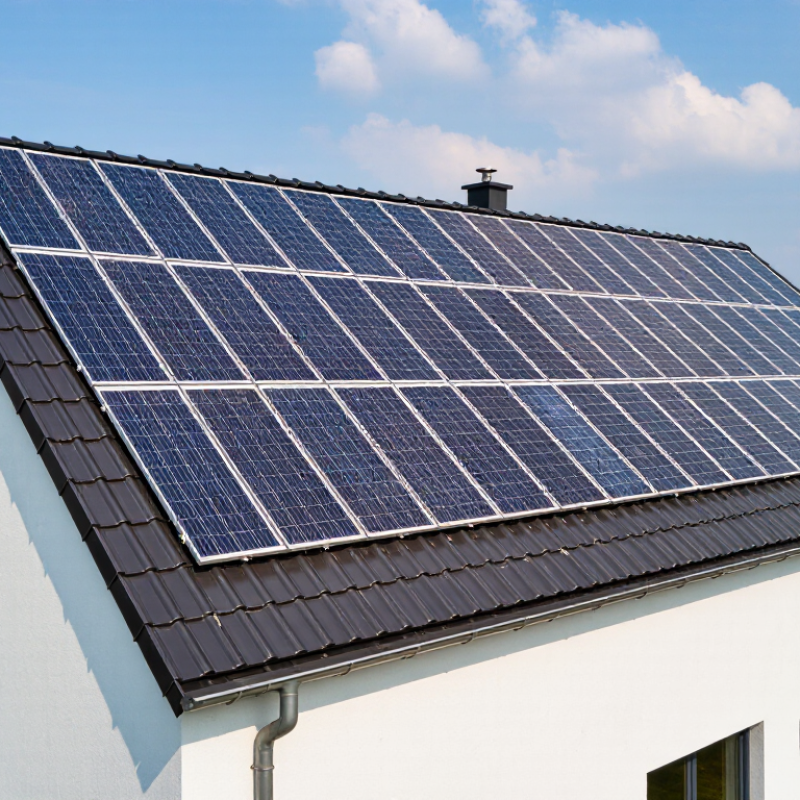
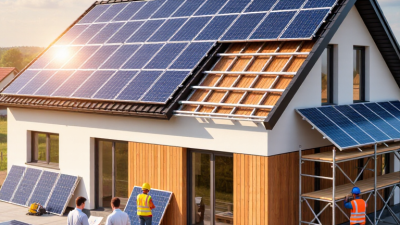
Photovoltaic roof tiles are roofing units with solar cells built into their visible surface. Unlike conventional panels mounted above a roof, they replace some roofing material and form part of its weather-facing layer. Sunlight releases electrons in semiconductor cells, producing direct-current electricity. Small details matter. Tile design, roof angle, shade, and ventilation all affect output.

IEA PVPS’s Trends 2024 report estimates that global photovoltaic capacity grew by about 447 GW in 2023. Total installed capacity reached roughly 1.6 TW. These figures cover all photovoltaic systems, not roof tiles alone. An inverter converts the tiles’ direct current into alternating current for household use. Depending on system design, electricity can also charge a battery or flow to the grid. Shaded tiles may produce less, and mismatch losses can be easy to underestimate.

Tips: Request independent power and fire-performance test documents, a roof-specific shade assessment, and an estimate of usable roof area. Compare expected output with installation and replacement costs. A neat roof is not automatically an efficient one.

2026 Best Photovoltaic Roof Tiles for Global Buyers? — What Photovoltaic Roof Tiles Are and How They Generate Electricity

Photovoltaic roof tiles integrate solar cells into roofing materials. The cells convert sunlight into direct-current electricity, which an inverter can convert to alternating current for household use. At standard test irradiance of 1,000 W/m², illustrative efficiency scenarios of 15%, 18%, and 22% correspond to about 150, 180, and 220 W of DC output per square metre. These are calculated examples, not ratings for specific products; actual output depends on the product, sunlight, orientation, shading, and temperature.

Which Photovoltaic Roof Tile Designs Are Available in 2026

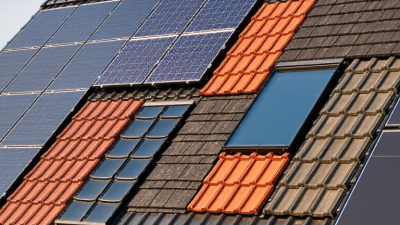
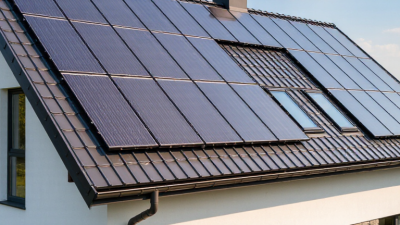
In 2026, photovoltaic roof tiles come in several shapes, finishes, and installation formats. Integrated tiles replace conventional roofing across the active area, creating a more uniform roof surface. Solar shingles use narrow, overlapping strips that resemble familiar asphalt shingles. Glass-faced tiles often suit clean, modern rooflines, while textured finishes can echo slate or concrete. Appearance varies by supplier and production run.

Some designs follow traditional roof profiles. Flat tiles sit close together, while curved options can complement Mediterranean-style roofs. Not every curved tile is photovoltaic; many roofs combine active tiles with matching inactive pieces. That distinction is easy to miss. Ask for a roof layout showing where the generating sections will sit, especially around valleys, vents, and skylights.

For replacement projects, fully integrated tiles may reduce the visual contrast between solar equipment and roofing. Retrofit-style solar tiles can sometimes work with existing roof systems, but compatibility needs careful checking. It is not always neat. Compare tile dimensions, edge details, weather sealing, and replacement procedures before choosing a finish. A sample viewed outdoors can reveal glare and color differences that catalog images hide. Availability also depends on local supply, roof pitch, and installer experience, so a design that looks ideal may not suit every building.

How to Compare Efficiency, Durability, and Global Certifications

A photovoltaic roof tile should be compared as both a power product and a roofing material. Check its rated efficiency, but also ask how much usable roof area it covers. Tile shape, gaps, and shaded edges can reduce real-world output. A neat laboratory figure may not match a complex roof.

Details matter. Request test results for the exact tile model, not a similar panel. IEC 61215 and IEC 61730 are useful reference standards for performance and electrical safety; confirm that certificates are current and accepted in the intended market. Local requirements may also cover fire performance, grid connection, or installation methods. A certificate alone does not prove suitability for every roof.

Durability depends on more than the tile surface. Look for documented testing against wind uplift, temperature cycling, moisture, and, where relevant, salt mist or heavy snow. Ask how the system handles flashing, drainage, cable routing, and replacement of a damaged tile. Measure twice. Installation details can be easy to overlook, even in a polished specification sheet. Compare warranty terms, but read exclusions carefully, especially for workmanship and roof leaks. An independent installer’s inspection can reveal weak roof framing or awkward junctions before purchase.

Which Roof Tile Features Suit Different Climates and Building Types

Choosing photovoltaic roof tiles starts with climate, roof shape, and the building’s structure. In hot, sunny regions, prioritize heat-tolerant components and ventilation beneath the roof covering; trapped heat can reduce electrical performance. Coastal air calls for corrosion-resistant fixings and carefully sealed edges. Details matter. In snowy areas, consider roof pitch, snow shedding, and the added weight of tiles and accumulated snow. A local structural professional can check whether the existing roof is suitable.

Building type matters just as much. New homes can be designed around tile dimensions, wiring routes, and roof orientation. Retrofitting an older house may require extra checks for uneven rafters, fragile underlay, or limited access for maintenance. On complex roofs, hips, valleys, and shaded dormers can reduce usable area, even when the roof looks large from the street. I would not choose on appearance alone; a sample tile can look different under real daylight, and estimates may miss awkward roof details.

Tips: Ask for verified output and fire, wind, and weather-resistance data for the exact tile system. Compare installation requirements, replacement access, and warranty conditions. Keep a small allowance for surprises. Roofs rarely match drawings perfectly.

2026 Best Photovoltaic Roof Tiles for Global Buyers? Which Roof Tile Features Suit Different Climates and Building Types

Climate or Site Condition Building and Roof Type Suitable PV Roof-Tile Features Key Performance Considerations Buyer Checks
Hot, sunny climates
High solar exposure and elevated roof temperatures
Homes and low-rise buildings with well-oriented, unshaded pitched roofs Tiles with a documented power-temperature coefficient; a roof assembly that allows the required rear ventilation; durable UV-resistant materials PV output generally falls as cell temperature rises. Airflow behind the system can help limit operating temperatures, but the installation must follow the system design. Compare temperature coefficients on product datasheets. Check ventilation details, local fire rules, and the full roof-system warranty.
Cold climates with snow
Freeze-thaw cycles and seasonal snow cover
Steep or moderately pitched residential roofs; buildings exposed to drifting snow Tiles and fixings specified for local snow loads; weather-resistant connections; roof details that manage water from melting and refreezing snow Snow can temporarily reduce or stop generation when modules are covered. Roof structure and attachment design must account for site-specific snow loads. Confirm structural load calculations, snow-retention or shedding strategy, drainage details, and local electrical and building-code compliance.
Windy or storm-prone regions
High gusts or wind-driven rain
Coastal homes, exposed sites, and buildings in cyclone or hurricane zones Mechanically secure tile-to-roof attachments; tested system-level wind performance; well-sealed transitions at ridges, hips, valleys, and edges Wind resistance depends on the complete roof assembly and installation, not only the individual PV tile. Wind-driven rain can challenge poorly detailed joints. Request applicable wind-load test information and installation requirements. Verify attachment patterns and roof-edge details against local codes.
Coastal and salt-air environments
Salt spray, humidity, and corrosion exposure
Seaside houses, hotels, and other buildings near marine environments Corrosion-resistant electrical and mounting components; durable connectors and enclosures; a system tested for the intended exposure where required Salt and moisture can accelerate corrosion of exposed metal parts and electrical connections. Product suitability depends on materials, detailing, and maintenance. Check whether the system has relevant salt-mist testing, such as IEC 61701 where applicable, and confirm that all balance-of-system components are compatible.
Hot, humid, or high-rainfall climates
Frequent heavy rain and persistent moisture
Residential roofs and small commercial buildings with complex roof geometry Integrated flashing and drainage details; compatible underlayment; robust junctions around penetrations and roof openings Water management is critical at tile overlaps, valleys, eaves, and interfaces with conventional roofing. PV tiles do not remove the need for a properly designed roof drainage system. Review roof-system installation drawings, waterproofing responsibilities, drainage paths, and inspection access before purchase.
Hail- or debris-prone areas
Risk varies by local storm exposure
Homes, schools, and buildings where roof repair access may be limited Documented impact-test results for the product or system; replaceable components and a clear repair procedure Resistance depends on the tile construction and test conditions. Hail damage may be difficult to identify without inspection. Ask for test standards and impact-test details, rather than relying on general “hail resistant” claims. Check insurance and replacement provisions.
Low-sun or frequently overcast climates
Diffuse light and shorter winter days
Homes with limited roof area or partial shading from nearby buildings and trees High usable power per roof area; electrical design suited to different roof orientations; module-level power electronics where appropriate Annual energy depends on location, roof orientation, tilt, shading, system losses, and local weather—not just the tile’s rated power. Request a site-specific yield estimate using local weather data. Assess shade, inverter compatibility, roof area, and expected annual energy.
Historic or design-sensitive districts
Appearance and planning rules may be restrictive
Heritage buildings, renovated homes, and properties subject to architectural review Low-profile, visually consistent tile formats; discreet cabling; a layout that respects roof features and planning requirements Appearance, permitted roof alterations, and conservation rules may determine whether a system can be installed. Product approval can vary by jurisdiction. Obtain planning or heritage approval before ordering. Confirm color, visible borders, roof-plane layout, and availability of matching replacement tiles.
New construction
Roof and electrical systems can be coordinated early
New homes and low-rise commercial buildings with planned pitched roofs A coordinated roof-and-PV system with defined flashing, underlayment, wiring routes, and service access Early coordination can reduce conflicts between roof structure, drainage, electrical equipment, and PV layout. Coordinate the architect, roofer, electrician, and structural designer. Confirm who is responsible for weatherproofing and system commissioning.
Roof replacement or retrofit
Existing roof condition and geometry are major factors
Older homes, extensions, and buildings replacing conventional roofing Tile format compatible with the roof structure; manageable transition details to existing materials; access for future maintenance Existing rafters, underlayment, roof pitch, and roof condition may limit installation options. Removing the old covering may be necessary. Arrange a roof and structural inspection. Compare total installed cost and energy yield with conventional rooftop PV and replacement roofing.

Selection note: PV roof-tile specifications and approvals vary by product and country. Verify current local building, fire, electrical, wind, snow, and planning requirements. IEC 61215 addresses PV module design qualification and type approval, while IEC 61730 addresses PV module safety; applicable system and building approvals may also be required.

How to Evaluate Installation, Costs, Warranties, and Maintenance

2026 Best Photovoltaic Roof Tiles for Global Buyers?

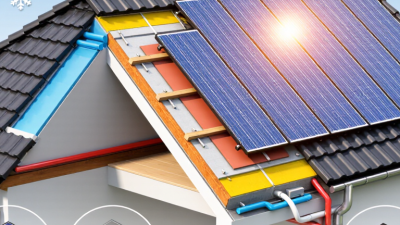
Before comparing prices, check whether the tiles suit your roof’s pitch, structure, and climate. Ask for installation drawings showing flashings, drainage paths, and how damaged tiles can be replaced. A neat sample is not enough. Wind exposure, heavy rain, and roof access can change labor costs substantially.

For context, NREL’s Q1 2023 U.S. benchmark estimated a typical residential rooftop solar system at about $2.90 per watt of direct-current capacity. This is not a roof-tile price; use it only as a baseline, then request a project-specific quote covering tiles, underlayment, electrical work, and labor. Warranty terms need the same scrutiny. Separate product, power-output, and waterproofing coverage, and check who pays for removal and reinstallation. Research reviewed by Jordan and Kurtz in Progress in Photovoltaics found a median module degradation rate near 0.5% annually, but tile performance can vary. The comparison is imperfect.

Plan simple maintenance: keep gutters clear, inspect seals after severe weather, and follow the maker’s cleaning instructions. Ask whether replacement tiles will remain available years later. Small details matter. A long warranty may still leave owners paying for access, scaffolding, or roof repairs.