10 PV Tiles Buying Tips for Global Buyers?

Buying pv tiles for an international project is not simply a matter of comparing prices. The right choice must balance energy output, roof design, weather exposure, installation skill, and long-term service.

As Tesla CEO Elon Musk said during the Solar Roof launch, “It’s a solar roof versus a roof with panels on it.” That distinction matters. Pv tiles must protect the building while producing electricity. A product may look elegant under showroom lighting, yet perform differently under dust, heat, snow, or partial shade.

Global buyers should examine more than rated wattage. Check the tile’s efficiency, temperature coefficient, fire rating, wind resistance, waterproofing method, and expected degradation. Request independent test reports, not only supplier brochures. Certification requirements also differ between markets, so local compliance deserves early attention.

The installation system is equally important. Ask whether trained installers are available near the project. Confirm replacement procedures, spare-part storage, monitoring access, and warranty coverage across borders. A strong product with weak after-sales support can become an expensive lesson.

Small details reveal reliability. Look at connector quality, packaging protection, pallet labeling, and sample consistency. These points seem minor. They are not.

Price still matters, but the lowest quotation can hide transport delays, unsuitable inverters, or unclear warranty terms. Buyers may also overestimate annual production because roof orientation changes throughout a site. That is an easy mistake.

This guide presents ten practical buying tips for pv tiles, combining technical checks, supplier evaluation, and realistic project planning. Some decisions will remain imperfect. Careful verification simply reduces the risk.
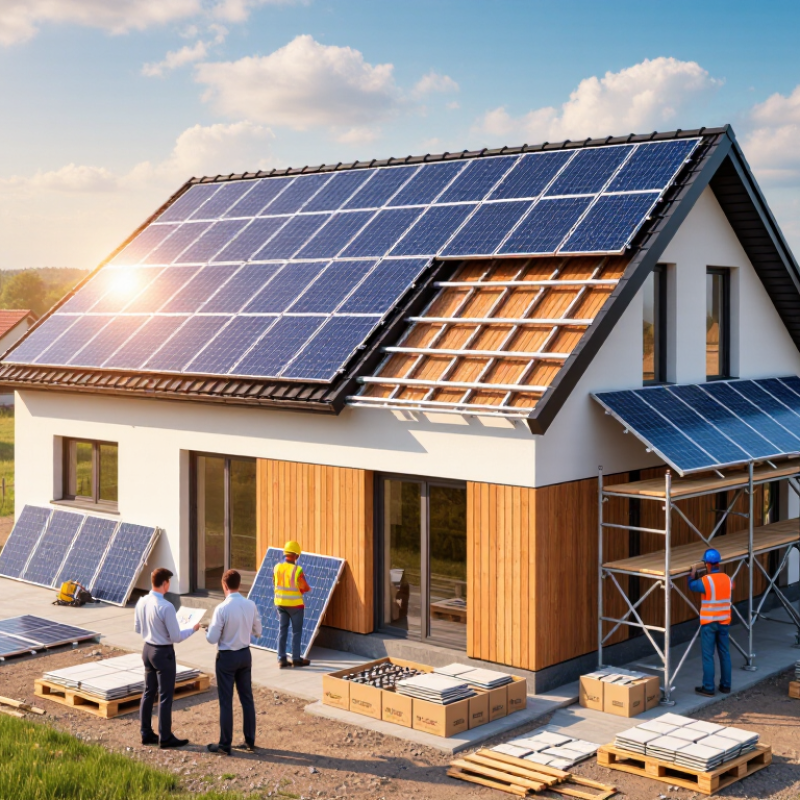
10 PV Tiles Buying Tips for Global Buyers?

Understanding PV Tile Types and Their Building Applications

PV Tile Types and Their Building Applications

PV tiles are not one uniform product. Solar shingles suit clean, modern roofs with regular layouts. Solar tiles shaped like slate or terracotta can match heritage-style homes more naturally. Some systems use integrated PV modules with larger active surfaces and fewer roof pieces.

Roof structure matters more than appearance. In site reviews, I check pitch, rafter spacing, roof loading, drainage, and maintenance access. Steep roofs may need secure fixing systems and careful worker protection. Low-slope roofs can face water pooling if flashing details are weak. Small errors become expensive leaks.

Think about the building’s role. Residential roofs often prioritize visual consistency and simple replacement. Commercial buildings may need higher output, easier inspection, and clearer cable routes. Coastal projects require corrosion-resistant materials. Cold regions need reliable snow-shedding details. Hot climates need ventilation beneath the tiles.

Ask for tested performance data. Check power output, temperature behavior, wind resistance, fire classification, and waterproofing details. Request drawings showing ridges, valleys, vents, and roof edges. A sample tile is useful, but it cannot reveal every installation problem. A neat roof mock-up can mislead.

Do not compare price alone. Include underlayment, mounting parts, electrical equipment, labor, repairs, and future tile replacement. Compatibility with the existing roof is critical. Some attractive tiles lose efficiency because of shading from chimneys or nearby trees. That lesson is easy to overlook.
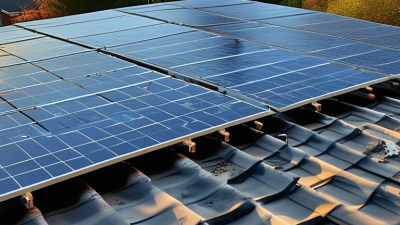
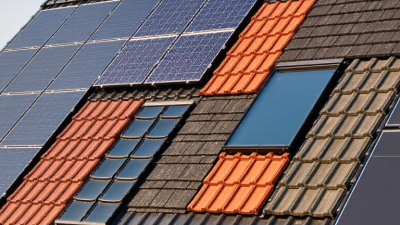
Checking Power Output, Efficiency, and Weather Resistance

10 PV Tiles Buying Tips for Global Buyers

Power output should be checked under standard test conditions, not only in bright showroom lighting. Compare rated watts, temperature coefficients, and expected energy yield. A tile producing 180 watts may deliver less on a hot roof. Ask for independent test reports and clear warranty terms. Real installation experience matters. Roof pitch, shading, wiring length, and inverter compatibility can change performance.

Tip: Request power data at 25°C and higher temperatures. Check low-light performance, too. Cloudy mornings often reveal differences between products.

Efficiency is important when roof space is limited, but it should not hide poor durability. Examine the cell layout, active surface area, and power tolerance. Weather resistance deserves equal attention. Look for verified resistance against hail, wind pressure, heavy rain, salt air, and repeated freezing. Confirm the product’s IP rating and relevant electrical safety certifications for your market. Some details are easy to overlook.

Tip: Review the installation manual before ordering. A beautiful tile may need special battens, ventilation, or replacement parts that local installers cannot source quickly.

Do not rely on laboratory claims alone. Ask for field data from similar climates, especially regions with strong sun, snow, or coastal humidity. Inspect sample tiles for seal quality, frame strength, and cable protection. I would also compare degradation rates over time, although long-term evidence can be limited for newer designs. That uncertainty deserves an honest discussion before purchase.

10 PV Tiles Buying Tips for Global Buyers: Checking Power Output, Efficiency, and Weather Resistance

Tip Buying Dimension What to Check Typical Reference Data Why It Matters Recommended Verification
1 Rated Power Output Compare the nominal maximum power of each tile or shingle under standard test conditions. Common values are approximately 50–200 W per tile, depending on tile dimensions and cell layout. Higher wattage can reduce the number of tiles required for a given roof area. Review the product datasheet and confirm the rated power at 1,000 W/m² irradiance, 25°C cell temperature, and AM1.5 spectrum.
2 Conversion Efficiency Check the percentage of sunlight converted into usable direct-current electricity. Commercial crystalline-silicon PV tiles commonly fall within approximately 15%–23% module efficiency. Higher efficiency is valuable where roof space, roof orientation, or shading limits the available installation area. Compare efficiency using the same test conditions and calculate power per square metre, not only power per piece.
3 Power Density and Roof Coverage Assess the relationship between tile size, active solar area, inactive overlap, and roof coverage. A practical comparison should use watts per square metre (W/m²); the result varies with tile geometry and installation overlap. A tile with a high watt rating may not deliver the best roof-level output if it occupies substantially more area. Request the usable installed dimensions, including overlap, battens, gaps, and edge clearances.
4 Temperature Performance Examine the maximum-power temperature coefficient and operating temperature range. Many crystalline-silicon modules have a power temperature coefficient of roughly −0.25% to −0.40% per °C. PV output generally decreases as cell temperature rises above the reference temperature, especially in hot climates. Use the coefficient in an energy model for the destination climate and check the stated operating temperature range.
5 Wind Resistance Confirm the tested mechanical-load rating and the installation system used during testing. Many PV products are tested around 2,400 Pa positive load and 2,400 Pa negative load; some systems are rated higher. Wind performance depends on both the tile structure and the roof attachment method, particularly in coastal and hurricane-prone areas. Check the applicable IEC mechanical-load test report and have a local engineer verify roof-specific wind loads.
6 Snow and Static Load Review the maximum approved snow-load or static-load rating for the complete installed product. Common mechanical-load values include 2,400 Pa, while some products are tested to 5,400 Pa or more. Snow accumulation and maintenance loads can create substantial stress on tiles, fasteners, and roof substructure. Match the product rating to local snow maps and confirm whether the value applies to the tile, mounting system, or entire roof assembly.
7 Water, Humidity, and Corrosion Protection Check ingress protection, encapsulation quality, drainage design, and resistance to humid or salty environments. Junction boxes and connectors are often specified with an IP65 or higher ingress-protection rating; exact protection depends on the component. Moisture ingress and salt exposure can accelerate corrosion, insulation failure, and electrical degradation. Look for IEC 61215 and IEC 61730 compliance, damp-heat testing, salt-mist testing where relevant, and compatible corrosion-resistant hardware.
8 Fire Classification Determine the fire rating of the tile and the complete roof assembly, including underlayment and mounting components. Fire classifications vary by country and assembly; common building classifications include Class A, B, or C in systems using those categories. Fire performance is affected by roof pitch, mounting gaps, roof covering, wiring, and local construction rules. Request a fire-test certificate for the complete roof system and confirm acceptance with the local authority having jurisdiction.
9 Durability and Degradation Compare the first-year degradation rate with the annual degradation rate stated for later years. Many crystalline-silicon products specify approximately 1%–3% first-year degradation and about 0.25%–0.50% annual degradation afterward. Lower degradation supports more predictable long-term energy yield and improves lifecycle economics. Read the performance warranty conditions, exclusions, measurement tolerance, and required installation documentation.
10 Electrical Compatibility and Certification Verify voltage, current, connector compatibility, inverter limits, grounding method, and required market certifications. Electrical values vary by design; compare Voc, Vmp, Isc, and Imp at standard test conditions and at the expected temperature extremes. Incorrect voltage or current matching can reduce energy production, create safety risks, or exceed inverter and wiring limits. Check IEC 61730 safety certification, IEC 61215 design qualification, local grid requirements, and the complete system electrical design.
Reference values are typical industry ranges rather than guarantees. Final selection should be based on the product datasheet, independent test reports, local building codes, climate conditions, roof structure, and the complete PV system design.

Evaluating Roof Compatibility, Installation, and Maintenance Needs

10 PV Tiles Buying Tips for Global Buyers

Roof compatibility should guide every PV tile purchase. Check the roof’s age, pitch, orientation, shading, and load capacity before comparing prices. A structural engineer or qualified solar installer can identify weak rafters, cracked membranes, and drainage problems. Field inspections often reveal hidden issues, especially beneath older roofing materials. A perfect roof is rare.

Tip: Request a written roof assessment. It should include wind exposure, snow loads, local weather risks, and required electrical protections. Confirm that the tiles fit the roof’s dimensions without blocking vents, skylights, or gutters. Regional building and fire requirements also matter. Do not assume one installation method suits every country.

Installation quality affects waterproofing and long-term output. Ask how installers will seal penetrations, manage cable routes, and replace damaged tiles. Confirm their training, insurance, inspection process, and experience with integrated solar roofs. Maintenance access deserves attention too. PV tiles can collect dust, leaves, and bird debris, particularly near trees. Plan safe cleaning and inspection routes before installation.

Tip: Ask for a maintenance schedule, performance monitoring plan, warranty terms, and spare-tile availability. Review these documents carefully. Some promises sound clearer than they are. A realistic buyer also checks future repair costs, because replacing one tile may require temporary removal of nearby units.

Comparing Certifications, Warranties, Suppliers, and Total Costs

10 PV Tiles Buying Tips for Global Buyers

Buying photovoltaic tiles across borders requires more than comparing wattage and appearance. Ask which certifications apply in your installation country, not only the exporting market. Check current test reports, factory quality records, and whether documents cover the exact tile model. Fire, wind, hail, electrical safety, and building integration requirements can differ sharply. A certificate copied from an older product is not enough. Request serial-level traceability and sample inspection before shipment. Small evidence matters.

Read performance and product warranties line by line. Confirm degradation limits, claim procedures, exclusions, labor coverage, and the party responsible after import. A long warranty has little value if claims require expensive overseas transport. Ask how replacement tiles will match color, dimensions, connectors, and roof geometry after several years. Review supplier stability through audited financial information, production capacity, reference projects, and response times. Video tours help, but independent inspections reveal more. I once underestimated packaging quality; cracked corners appeared before installation.

Calculate total cost, not just the invoice price. Include freight, insurance, customs duties, taxes, unloading, storage, installer training, spare tiles, monitoring equipment, and roof preparation. Compare energy yield under local temperature and shading conditions. A lower-power tile may cost more per useful kilowatt-hour. Ask for a written bill of materials and a realistic delivery schedule. Keep payment milestones tied to inspection results. Some assumptions will be wrong, especially future repair costs. Leave room for them. Then compare suppliers using the same technical and commercial checklist.

Planning Global Procurement, Shipping, Taxes, and After-Sales Support

Global PV tile procurement needs more than a competitive factory price. Confirm the product’s dimensions, output range, fire rating, and installation method before requesting quotations. Ask for test reports, material declarations, and clear production tolerances. Check the paperwork. A small mismatch can delay customs or complicate roof installation.

Shipping Planning

Shipping deserves careful planning. Compare container loading plans, pallet strength, moisture protection, and unloading equipment at the destination. PV tiles can arrive damaged when corners lack reinforcement. Use clear Incoterms, and confirm who handles export clearance, insurance, port fees, and inland delivery. Book inspections before shipment, not after damage appears. I have seen buyers save on freight but lose money through poor packaging and emergency replacements.

Taxes & After-Sales Support

Taxes require local verification. The correct HS code, import duty, value-added tax, and certification rules may differ by country and project type. Request a commercial invoice, packing list, certificate of origin, and serial-number records. Customs advice should come from a qualified local broker. Do not rely on an old quotation. Rates and procedures change. After-sales support should include installation guidance, response times, spare tiles, and a practical warranty process. Ask how claims are documented with photographs, batch numbers, and site reports. A spreadsheet can look precise and still be wrong. Leave room for currency changes, port delays, and one uncomfortable question: who will help when the installer is already on the roof?