Are Solar PV Roof Tiles the Future of Sustainable Energy?
As concerns about climate change grow, the energy sector is evolving. Solar PV roof tiles are emerging as a promising solution. This innovation combines aesthetics with sustainability, providing an alternative to traditional solar panels. According to a recent report by the International Energy Agency, the global solar energy capacity has increased by over 20% annually since 2010.
Expert in sustainable energy, Dr. Emily Carter, emphasizes the potential of solar PV roof tiles. She states, “These tiles not only reduce reliance on fossil fuels but also enhance the energy efficiency of buildings.” The integration of solar technology into roofing options can lead to a significant decrease in carbon emissions. Data shows that integrating solar PV roof tiles could reduce residential energy costs by 30-50% over time.
While the benefits are clear, challenges exist. The initial installation cost can be high. Consumers may hesitate without understanding long-term savings. There are doubts about durability and efficiency compared to traditional panels. As the industry advances, ongoing research and development are vital. This will ensure solar PV roof tiles become a mainstream choice for sustainable energy in the future.
The Current Landscape of Solar PV Roof Tile Technology
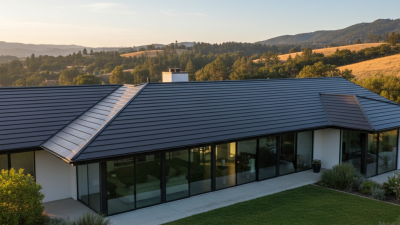
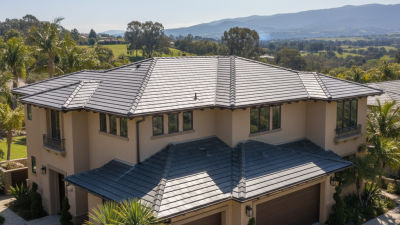
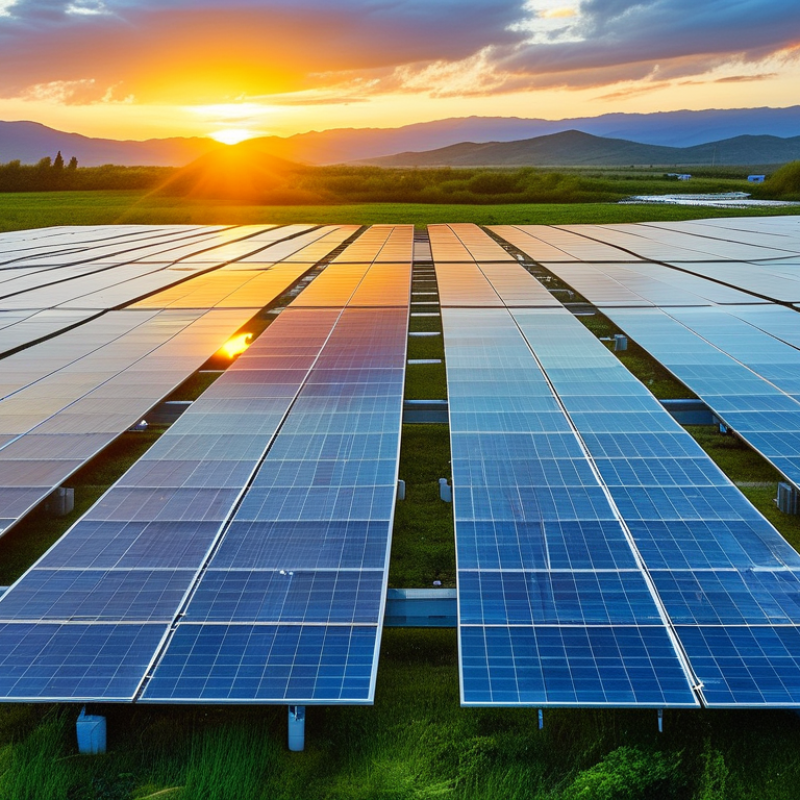
The landscape of solar PV roof tile technology is evolving rapidly. These innovative tiles combine aesthetics with functionality. They integrate seamlessly into home designs, offering a dual purpose: energy generation and roofing protection. This convergence appeals to homeowners who prioritize sustainability. The rise in energy costs also drives interest in these systems.
Despite advances, the technology faces challenges. Installation can be complex and requires skilled labor. Homeowners must also consider initial costs, which can be higher than traditional options. While solar roof tiles promise long-term savings, the upfront investment may deter some.
Additionally, energy efficiency varies among products. Not all solar PV tiles perform equally under different weather conditions. This inconsistency raises questions about reliability. The industry must address these issues to gain broader acceptance. Overall, as awareness grows, so too will the demand for these eco-friendly solutions. Consumers will likely seek reliable options. The future of solar PV roof tiles remains an exciting yet uncertain frontier.
Are Solar PV Roof Tiles the Future of Sustainable Energy? - The Current Landscape of Solar PV Roof Tile Technology
| Feature |
Details |
| Efficiency |
15% - 22% |
| Lifespan |
25 - 30 years |
| Cost per Watt |
$2.80 - $3.50 |
| Installation Time |
1 - 3 days for an average home |
| Aesthetic Value |
Integrated with roof design, visually appealing |
| Maintenance |
Minimal, typically washing required every 6 months |
| Environmental Impact |
Reduces carbon footprint, promotes renewable energy |
| Market Growth Rate |
Expected to grow at 20% CAGR by 2030 |
Advantages of Solar PV Roof Tiles Over Traditional Solar Panels
Solar PV roof tiles present a unique solution for sustainable energy. Many homeowners are now considering them as a viable alternative to traditional solar panels. According to a report by the International Renewable Energy Agency (IRENA), solar PV roof tiles can integrate seamlessly with building designs, offering aesthetic appeal alongside their functional benefits.
One of the primary advantages of solar PV roof tiles is their dual function. They can act as roofing material while generating electricity. This not only saves space but can also reduce overall building material costs by eliminating the need for separate roofing and solar panel installations. Also, studies show that solar roof tiles can provide energy savings of about 30% when compared to standard roofs with panel installations.
Tip: Ensure your roof can accommodate tiles before installation. You might need a structural assessment.
Another aspect to consider is durability. Solar PV roof tiles are often designed to withstand harsh weather conditions, making them a long-lasting investment. Research indicates that they can endure high winds, hail, and other environmental challenges. However, their installation can be complex, often requiring skilled labor for optimal performance.
Tip: Always consult with professionals for installation to avoid future issues.
Advantages of Solar PV Roof Tiles Over Traditional Solar Panels
This chart represents the key advantages of Solar PV Roof Tiles compared to traditional solar panels, scoring each aspect on a scale of 1 to 10. The features assessed include aesthetic appeal, space efficiency, durability, energy efficiency, and integration with the roof.
Market Growth and Adoption Rates of Solar PV Roof Tiles
Solar PV roof tiles are gaining momentum in the renewable energy sector. According to a report by ResearchAndMarkets, the global solar roof tile market is projected to grow at a compound annual growth rate (CAGR) of 23.3% from 2021 to 2026. This indicates a significant shift towards integrating solar technology into architectural designs. Builders and homeowners are increasingly recognizing the dual benefits of aesthetics and sustainability.
Adoption rates are steadily increasing, particularly in regions with strong solar incentives. A study by the International Energy Agency (IEA) noted that countries like Germany and Japan are leading the way. In these nations, solar roofs accounted for over 40% of new residential installations in 2022. However, challenges remain in terms of cost and installation processes. Prices for solar tiles are still higher than conventional panels. Nevertheless, as technology advances and manufacturing scales up, costs are expected to decrease.
Homeowners face a learning curve when choosing solar tiles over traditional options. Some may hesitate due to upfront costs and the perceived complexity of installations. Data from Solar Power Europe highlights this hesitance, citing that 50% of potential adopters still lack awareness of financing options. As manufacturers work to address these issues, the conversation around solar PV roof tiles will evolve, potentially ushering in a new era of sustainable energy solutions.
Challenges and Barriers to Widespread Use of Solar PV Roof Tiles
Solar PV roof tiles offer an innovative approach to sustainable energy, yet face significant barriers. According to a report from the International Renewable Energy Agency (IRENA), solar energy could provide up to 24% of global electricity by 2030. However, the adoption of solar PV roof tiles is slower than anticipated. High initial costs remain a major obstacle. While incentives exist, many homeowners find the upfront investment daunting.
Installation complexity is another issue. Proper installation requires skilled labor. A lack of trained professionals can lead to subpar performance. Furthermore, geographic limitations affect production and deployment. Areas with less sunlight may not benefit as much from these tiles. Consumer awareness also plays a vital role. Many still doubt the efficiency and durability of solar tiles compared to traditional panels.
Moreover, the recycling of materials used in solar tiles remains a challenge. The industry lacks robust solutions for end-of-life products. According to a 2022 report from the Solar Energy Industries Association (SEIA), only 10% of solar panels are currently recycled. This raises concerns about waste management in the future. Addressing these issues is crucial for the progression of solar PV roof tiles in the energy landscape.
Future Innovations and Trends in Solar PV Roof Tile Development
The future of solar photovoltaic (PV) roof tiles looks promising. Innovations are driving improvements in efficiency and aesthetics. New materials are emerging that enhance energy capture while maintaining visual appeal. For homeowners, this means a blend of functionality and design.
Recent trends indicate a move toward integrated solar solutions. Roof tiles now combine energy generation with insulation properties. This dual function can reduce energy costs. However, installation and integration challenges remain. Some roofs may not accommodate these new technologies easily, leading to potential barriers.
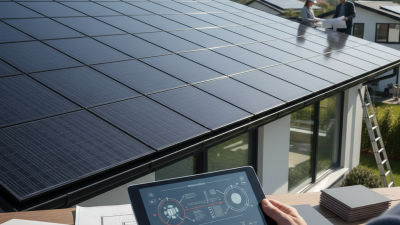
Another area of innovation is smart technology integration. Advanced monitoring systems can optimize energy use. These systems also help track performance in real-time. Despite these advancements, thorough research on durability and longevity is still needed. We must assess whether these innovations truly withstand environmental factors over time. As the industry evolves, continuous evaluation of these trends will be essential.