How to Choose the Best Plywood for Your Projects?
Choosing Plywood for your projects can be daunting. With so many types and grades, it’s essential to understand what works best for your needs. Plywood is an engineered wood product, made by gluing together layers of veneer. This construction method provides strength and durability, making plywood ideal for various applications, such as furniture, cabinetry, and flooring.
When selecting plywood, consider factors like thickness, grade, and type of wood used. Different grades indicate the quality and finish of the surface. Sometimes, lower-grade plywood may seem like a cost-effective choice. However, it can lead to issues later, such as warping or splintering. Understanding your project's requirements is crucial.
Also, consider your project's environment. Exterior-grade plywood resists moisture, while interior-grade may not hold up in damp spaces. Remember, not all plywood is created equal. Taking the time to research and feel the material can lead to better choices. It’s worth investing in quality plywood, even if mistakes happen along the way. Reflecting on your past projects can provide valuable insights for future selections.
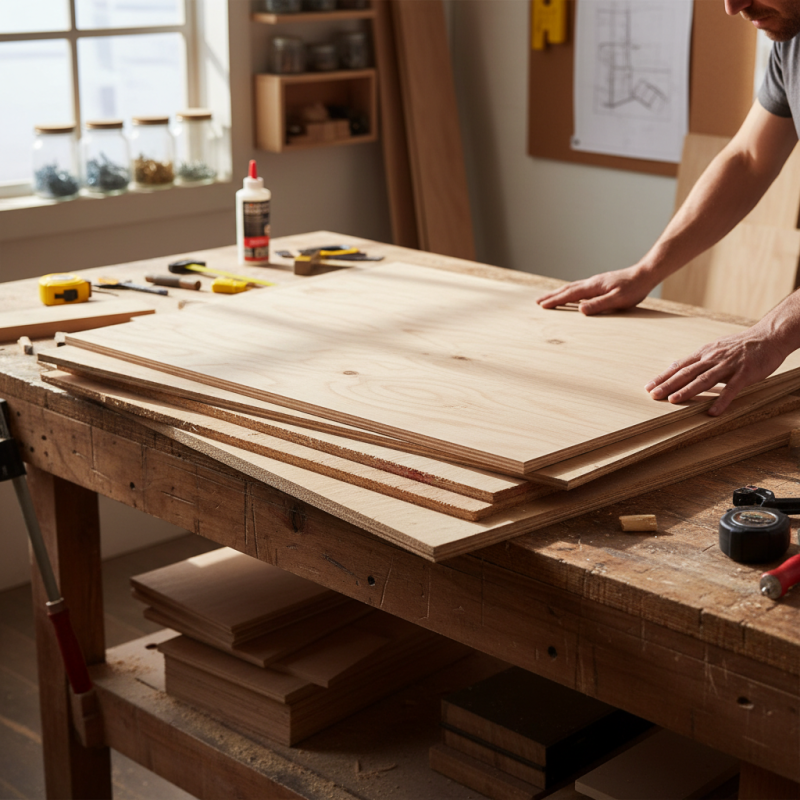
Understanding Plywood Grades: A Comprehensive Guide for Selection
When selecting plywood, understanding its grading is essential for making informed choices. Plywood grades range from A to D, each indicating the quality and appearance. Grade A is smooth and free of imperfections, making it suitable for visible surfaces. In contrast, Grade D has knots and blemishes, often used for hidden parts such as subfloors.
Different projects require different grades. For fine furniture, an A grade provides a polished look. However, using C grade for structural purposes may save costs while still providing strength. It’s crucial to balance aesthetics and functionality. Some projects may demand higher grades, while others can benefit from a more rustic appearance.
Choosing the right plywood isn’t just about grades. When working with plywood, consider the type of glue used and moisture resistance. Research the specific needs of your project. Sometimes, the cheapest choice isn't the best. Reflecting on your project's longevity may lead to better material decisions. Understanding your requirements will guide you toward a suitable plywood grade for your needs.
Types of Wood Species Used in Plywood and Their Impact on Durability
Choosing the right plywood involves understanding the wood species used. Different types of wood contribute to both the appearance and durability of plywood. Common wood species include birch, oak, and poplar. Birch is known for its hardness and smooth finish, making it ideal for furniture projects. Oak offers robustness, suitable for structural applications. Poplar, on the other hand, is lightweight and easy to work with but may not have the same strength as others.
Tips: Always consider the end use of your project. If durability is critical, opt for hardwood species like oak or birch. For lightweight applications, poplar can suffice.
The manufacturing process also plays a role in durability. Some plywoods are veneer-backed, while others are made entirely from wood layers. This affects how well they resist warping and moisture. Being mindful of where you plan to use your plywood is essential. Using the right type can save time and potential headaches later on.
Tips: Check the plywood's grade before purchasing. Higher grades mean fewer defects, which can impact your project's longevity. Sometimes, it’s worth investing a bit more for reliability.
Analyzing Plywood Thickness: Choosing the Right Size for Your Projects
Choosing the right plywood thickness is crucial for the success of any project. The thickness you select will directly impact the durability and weight of your final product. Common thicknesses range from 1/8 inch to 1 inch, each serving different applications. According to a 2022 industry report, 3/4-inch plywood is the most widely used for furniture making due to its strength and stability. This thickness offers a good balance between weight and durability, making it suitable for shelves and cabinets.
If you're working on a project that requires sturdiness, consider thicker plywood. For example, 1-inch plywood is often used in structural applications, such as flooring or roofing. It's heavier and may be more difficult to handle. However, it can bear a higher load, making it a reliable choice for demanding projects. In contrast, 1/8-inch plywood is ideal for lightweight applications like crafts or decorative panels but lacks strength for furniture.
When choosing thickness, reflect on your project’s requirements. A thicker sheet is not always better; it can lead to increased costs and difficulty in handling. Weigh your options thoughtfully. The right thickness can enhance your project, but selecting the wrong one could compromise its integrity. Always remember to analyze the intended use and environment when deciding.
Understanding Plywood Adhesives: Importance and Impact on Performance
When selecting plywood for your projects, the adhesive used is crucial. Plywood is composed of thin layers of wood veneer, bonded together by adhesive. The type of adhesive affects strength, durability, and water resistance. For indoor furniture, a basic adhesive may suffice. However, for outdoor projects, a weather-resistant glue is essential.
Understanding the different types of adhesives can prevent mistakes. For instance, urea-formaldehyde is common but is not waterproof. On the other hand, phenol-formaldehyde offers better moisture resistance. Yet, it can be more expensive and adds to the project’s complexity. Choosing the right adhesive requires careful consideration. It’s easy to overlook this detail in project planning, yet it significantly impacts performance.
Some projects may face challenges if the adhesive doesn't match the intended use. Poor choices can lead to delamination or warping. This may result in wasted time and materials. Reflecting on past experiences can improve future choices. Take time to research and select an appropriate adhesive, as it shapes the outcome of your woodworking endeavors.
Evaluating Moisture Resistance in Plywood for Specific Project Needs
When selecting plywood for your projects, moisture resistance is crucial. Different projects may require varied levels of moisture protection. For example, bathroom vanities and kitchens often face high humidity. In contrast, a shed may have different needs.
Consider the type of plywood being used. Some options, like marine plywood, offer higher moisture resistance. It’s made with waterproof adhesives. However, this can also mean higher costs. On the other hand, standard plywood might suffice for indoor furniture. Reflect on your project's environment and potential exposure to moisture.
Testing is vital. Look for signs of delamination or warping in samples. Do not rely solely on specifications. Real-world trials can reveal how plywood performs under stress. Ask peers or professionals for insights based on their experiences. Everyone has their preferences and lessons learned. Ultimately, choosing the right plywood hinges on thoughtful evaluation of moisture resistance tailored to your specific needs.
How to Choose the Best Plywood for Your Projects? - Evaluating Moisture Resistance in Plywood for Specific Project Needs
| Plywood Type | Moisture Resistance Rating | Common Uses | Thickness (inches) |
| BALTIC BIRCH | High | Furniture, Cabinets | 3/4 |
| OUTDOOR PLYWOOD | Very High | Decks, Sheds | 1/2 |
| INTERIOR PLYWOOD | Low | Indoor Furniture, Wall Panels | 3/8 |
| MARINE PLYWOOD | Extreme | Boats, Docks | 3/4 |
| FIRE-RETARDANT PLYWOOD | Medium | Commercial Buildings, Dormitories | 1/2 |