Why Choose Solar Tiles for Your Home Energy Needs?
As homeowners seek sustainable energy solutions, "solar tiles" have emerged as a compelling choice. According to a report by the International Renewable Energy Agency, solar energy capacity is expected to reach 2,800 GW by 2030. Solar tiles integrate seamlessly into roofing while generating electricity. This innovative technology has the potential to reshape how we think about residential energy.
Experts in the field, such as Dr. Emily Carter, a renewable energy specialist, emphasize the unique benefits of solar tiles. She states, "Solar tiles not only enhance aesthetics but also provide significant energy savings." These tiles offer a blend of functionality and style, making them a popular choice for modern homes.
However, not all homeowners are fully aware of the potential challenges. Installation costs can be high, and maintenance may require special care. Additionally, geographic location affects energy production. It's essential to consider these factors before making a decision. Exploring the true potential of solar tiles involves weighing both their promise and their pitfalls.
Benefits of Solar Tiles for Residential Energy Production
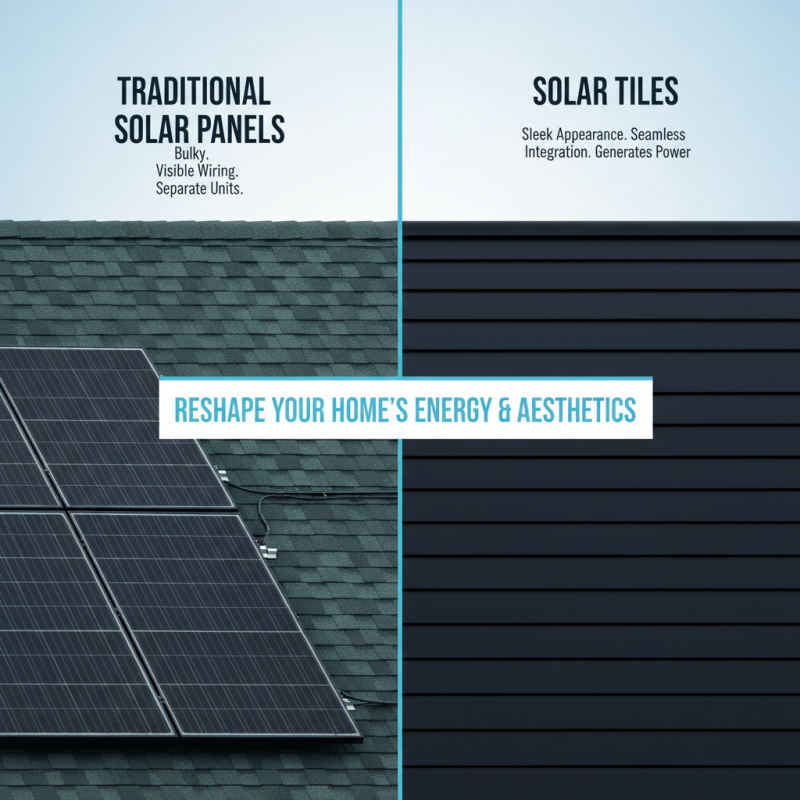
Choosing solar tiles for your home can reshape your energy consumption. Solar tiles blend seamlessly with your roof. They offer a sleek appearance while generating power. This aesthetic value is one of their main advantages. Traditional solar panels can be bulky. In contrast, solar tiles look just like regular roofing materials.
Solar tiles contribute significantly to energy production. They can reduce your electricity bills over time. Excess energy can often be sent back to the grid for credit. However, it’s essential to evaluate your roof's orientation and sunlight exposure before installation. Not every roof is ideal for solar tiles. Some homes may not get enough direct sunlight. This might limit energy production.
**Tip:** Regular maintenance can help maximize efficiency. Clean the tiles occasionally to remove dirt and debris. Also, monitor your energy output regularly. It allows you to spot potential issues early. Solar tiles are a long-term investment. Take time to reflect on their financial implications. Will they truly benefit your home? It's worth discussing with your family.
How Solar Tiles Compare to Traditional Solar Panels
Solar tiles are becoming a popular choice for homeowners seeking energy solutions. They seamlessly integrate with your roof. Unlike traditional solar panels, solar tiles do not compromise your home's aesthetic. They look like regular roofing materials, which can enhance curb appeal.
When comparing both options, costs vary. Traditional solar panels might initially appear cheaper. However, solar tiles can add value. They often last longer and require less maintenance. That can save on some repair costs down the line.
Tips: Think about your roof's condition. If it's aging, investing in solar tiles may be wise. They can replace worn shingles and provide power. Also, consider local regulations. Some areas have incentives for solar tiles. Researching may lead to unexpected savings. It's important to weigh the upfront costs against long-term benefits.
Comparison of Solar Tiles and Traditional Solar Panels
Installation Process and Considerations for Solar Tiles
The installation of solar tiles presents unique challenges and considerations. First, roof suitability is crucial. Not all roofs can support solar tiles. A flat or complex roof may complicate installation. According to a study by the National Renewable Energy Laboratory (NREL), only 27% of rooftops in the U.S. are ideal for solar energy systems. Homeowners may need structural assessments, adding time and cost.
Next, the installation process involves precise alignment and placement. Each tile must fit together seamlessly. This requires skilled labor. Installation times can vary greatly. A typical solar tile system can take between three and five days to install. Improper installation can lead to leaks or reduced efficiency, making expertise essential.
Finally, financing and incentives play a significant role. While solar tiles can increase home value, the initial costs are high. The average price of solar roofing can range from $21 to $35 per square foot, according to the Solar Energy Industries Association (SEIA). Homeowners must weigh these costs against potential energy savings. It’s vital to research and plan thoroughly before proceeding.
Why Choose Solar Tiles for Your Home Energy Needs? - Installation Process and Considerations for Solar Tiles
| Aspect |
Details |
| Energy Efficiency |
High conversion rates of sunlight into electricity |
| Aesthetics |
Blend seamlessly with roof architecture |
| Installation Time |
Typically 1-3 days depending on the size of the system |
| Cost per Tile |
Ranges from $15 to $25 per tile, installation extra |
| Durability |
Designed to withstand harsh weather conditions |
| Maintenance |
Minimal; occasional cleaning recommended |
| Return on Investment |
Typically within 5-10 years with energy savings |
| Environmental Impact |
Reduces carbon footprint and reliance on fossil fuels |
Cost Analysis: Initial Investment vs. Long-Term Savings
Solar tiles offer a unique appeal for homeowners looking to reduce energy costs. The initial investment can seem daunting. On average, solar tiles cost more than traditional panels. However, their aesthetic advantage may justify this higher price. You might feel the pressure of spending more upfront. But consider the long-term savings.
Solar tiles can last for decades. Over time, they generate significant savings on energy bills. Many homeowners report lower electricity costs after installation. Additionally, there are potential tax incentives available. They can further offset some of your initial expenses. Your energy independence increases, and that sense of control is invaluable.
While the upfront costs are higher, it’s essential to weigh them against potential savings. It’s important to evaluate your home’s sunlight exposure too. Not every roof is ideal for solar tiles. The decision can feel overwhelming. Yet, the benefits of renewable energy can lead to a more sustainable lifestyle.
Environmental Impact and Sustainability of Solar Tiles
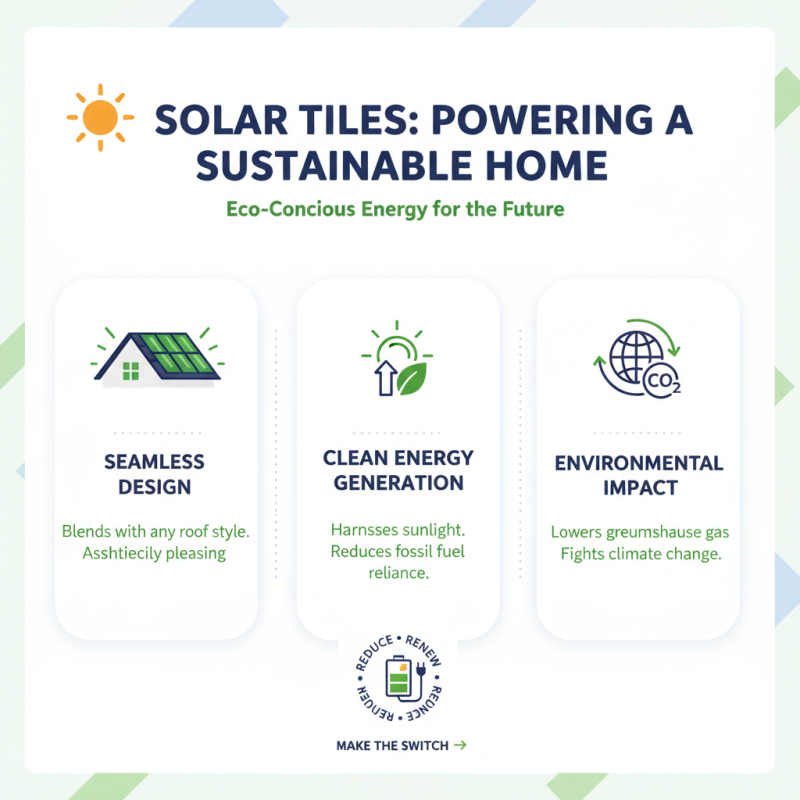
Solar tiles present a compelling option for eco-conscious homeowners. These innovative materials harness sunlight to generate energy while blending seamlessly with the roof. The aesthetic appeal is significant, as they look like regular tiles but perform a crucial function. Their environmental impact is quite profound. By utilizing solar tiles, you reduce reliance on fossil fuels. This, in turn, lowers greenhouse gas emissions and contributes to a more sustainable future.
However, it's essential to recognize the challenges. Installation can be complex and often more costly than traditional solar panels. Not everyone has the suitable roof for solar tiles. Some homeowners may struggle to find a reliable installer. Maintenance is another consideration. While generally durable, the tiles can be affected by weather conditions. Regular inspections are necessary to ensure optimal performance.
The long-term benefits can outweigh these drawbacks. Each solar tile can contribute to clean energy generation. This change promotes a healthier planet for future generations. As we rethink our energy sources, solar tiles offer a blend of practicality and sustainability.