Best PV Tiles for Your Home Renovation in 2023
In the evolving landscape of home renovation, the integration of sustainable options has never been more crucial. As homeowners seek to enhance both the aesthetic and environmental value of their properties, PV tiles stand out as a promising solution. "The future of roofing lies in innovation, and PV tiles provide a blend of functionality and beauty that traditional solar panels simply cannot offer," remarks Dr. Emily Carter, a leading expert in photovoltaic technology. Her insights highlight the transformative potential of PV tiles, not just as energy solutions but also as integral components of modern architectural design.
In 2023, the popularity of PV tiles is set to soar as advancements in technology make them more accessible and efficient. These tiles not only generate electricity but also complement the visual appeal of a home, offering a sleek, integrated look. As renovation trends lean towards eco-friendly materials, homeowners are increasingly turning to PV tiles to reduce their carbon footprint while enhancing their property's value. Understanding the best options available in the market is essential for those looking to marry sustainability with style in their home renovations.
Understanding PV Tiles: What They Are and How They Work
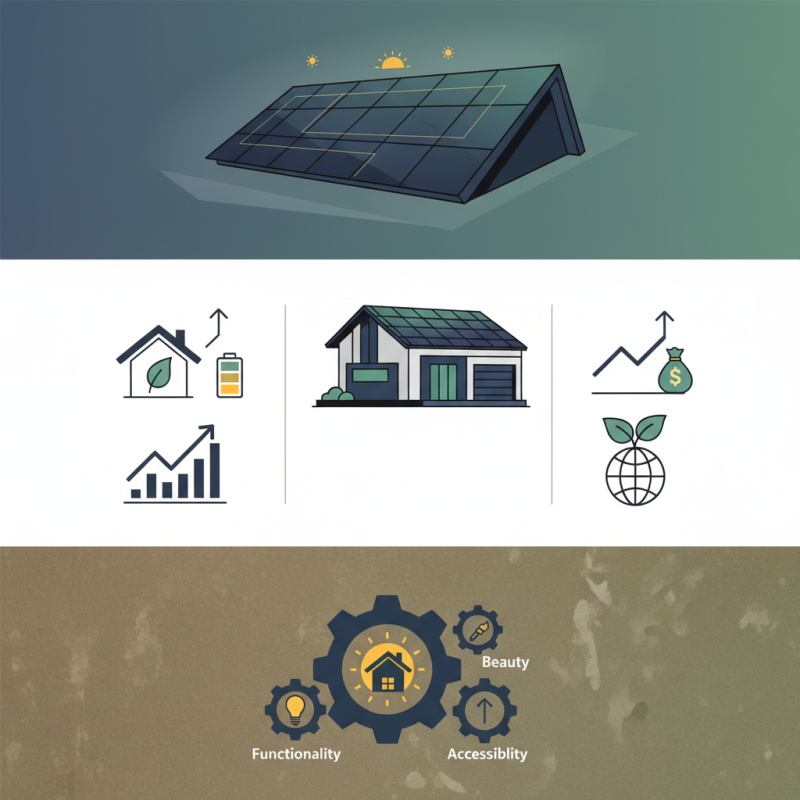
Photovoltaic (PV) tiles represent a revolutionary advancement in sustainable architecture, seamlessly integrating solar energy generation into the very fabric of a building. Unlike traditional solar panels that are mounted separately on rooftops, PV tiles are designed to replace conventional roofing materials, offering both aesthetics and functionality. Comprised of thin-film solar cells, these tiles harness sunlight and convert it into electricity, making them an ideal choice for homeowners seeking to reduce their carbon footprint while enhancing their property’s energy efficiency.
The technological framework of PV tiles involves photovoltaic cells embedded within the tiles, which absorb sunlight during the day. Through a process known as the photovoltaic effect, these cells generate direct current (DC) electricity, which is then converted into alternating current (AC) electricity by an inverter for household use. This innovative approach not only generates energy for home consumption but can also contribute excess energy back to the grid, potentially providing financial incentives through energy credits or rebates.
In addition to their sustainable benefits, PV tiles come in a variety of styles and colors, allowing homeowners to maintain the visual appeal of their homes while enjoying the advantages of renewable energy.
Key Benefits of Using PV Tiles in Home Renovation Projects
Photovoltaic (PV) tiles are rapidly gaining popularity in home renovation projects, and for good reason. As of 2023, the global solar energy market continues to expand, with an estimated compound annual growth rate (CAGR) of 20.5% from 2021 to 2028, according to a report by Fortune Business Insights. This growth highlights the increasing adoption of renewable energy solutions, particularly in residential applications. One of the most significant benefits of using PV tiles in home renovations is their ability to generate clean, renewable energy, reducing dependence on traditional power sources. Homeowners can potentially save on electricity bills while contributing to a more sustainable future.
In addition to energy savings, PV tiles can enhance the aesthetic appeal of a home. Unlike traditional solar panels, which can be bulky and visually obtrusive, PV tiles are designed to blend seamlessly with roofing materials. This allows homeowners to maintain their property's curb appeal while benefiting from the functional advantages of solar energy. Furthermore, a study from the National Renewable Energy Laboratory (NREL) indicates that homes equipped with solar energy systems can see a significant increase in property values—by up to 4.1%. This not only makes PV tiles a practical investment but also an attractive option for homeowners looking to increase the resale value of their properties through eco-friendly renovations.
Best PV Tiles for Your Home Renovation in 2023
This chart illustrates key features of PV tiles for home renovation in 2023, including efficiency, cost, durability, aesthetics, and weight. These factors can significantly influence your decision when considering PV tiles for your project.
Top Factors to Consider When Choosing PV Tiles for Your Home
When choosing photovoltaic (PV) tiles for your home renovation in 2023, several key factors should guide your decision. First and foremost, assess the efficiency of the tiles. Higher efficiency ratings indicate that the tiles can convert more sunlight into usable electricity, which is crucial if you're aiming to maximize energy production. Look for tiles with proven performance metrics to ensure you're making a sound investment in your home's energy supply.
Another essential consideration is the aesthetic integration of PV tiles with your existing architecture. The design should complement your home’s style while also adhering to local building codes and regulations. Color, size, and texture variations can impact the overall look, so it’s vital to select tiles that enhance your home's curb appeal without compromising functionality. Additionally, consider the durability and warranty offered by manufacturers. Tiles that withstand harsh weather conditions and come with substantial warranties can provide peace of mind and long-term value, ensuring your investment pays off over time.
Best PV Tiles for Your Home Renovation in 2023
| Tile Type | Efficiency (%) | Weight (lbs/sq ft) | Durability (Years) | Cost ($/sq ft) |
|---|---|---|---|---|
| Monocrystalline | 20-22 | 3.0 | 25 | 3.50 |
| Polycrystalline | 15-18 | 3.5 | 25 | 2.75 |
| Bifacial | 18-21 | 3.2 | 30 | 4.00 |
| Thin-Film | 10-12 | 2.0 | 20 | 1.50 |
A Review of the Best PV Tile Brands Available in 2023
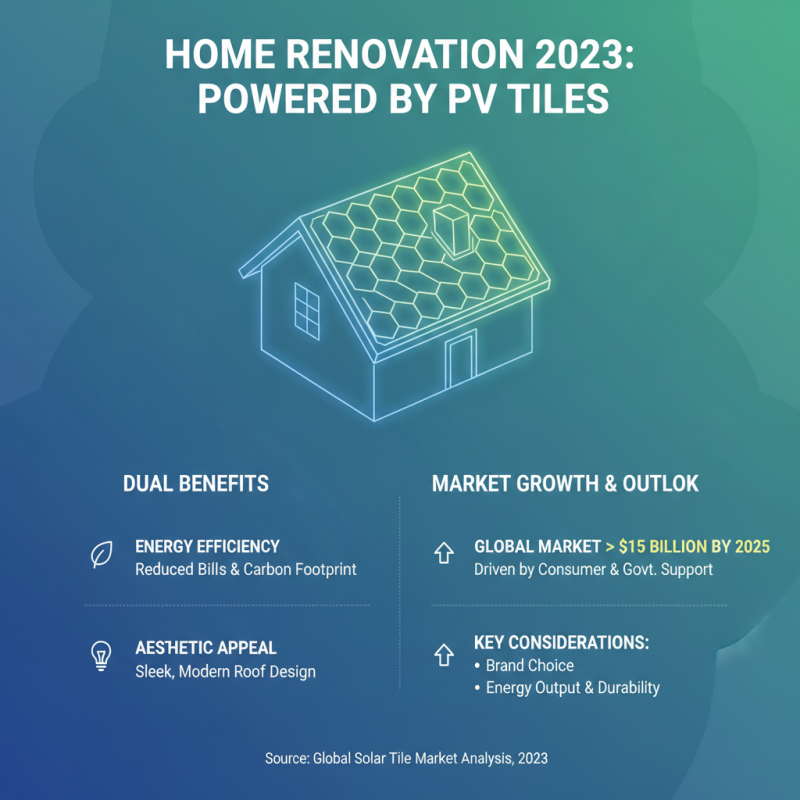
When considering a home renovation in 2023, integrating photovoltaic (PV) tiles can significantly enhance both energy efficiency and aesthetic appeal. The latest market analysis reveals that the global solar tile market is set to surpass $15 billion by 2025, driven by growing consumer awareness and government incentives for renewable energy. With various PV tile brands available, choosing the right ones for your specific needs is essential for maximizing energy output and ensuring durability.
Among the standout features to evaluate are the efficiency ratings and warranty offerings of each brand. Research indicates that high-efficiency tiles can convert more sunlight into electricity, with top-tier products boasting efficiencies above 20%. Furthermore, look for warranties extending up to 25 years, which can provide peace of mind regarding the longevity and performance of your investment. As you research, keep in mind that understanding installation requirements and local climate factors can also influence the effectiveness of your chosen tiles.
**Tips:** Before making a purchase, consider consulting with a solar energy expert to assess your roof's suitability for PV tiles. Additionally, check if there are local subsidies or tax breaks available to improve your budget, as these financial incentives can significantly offset installation costs.
Installation Tips and Maintenance for Long-lasting PV Tiles
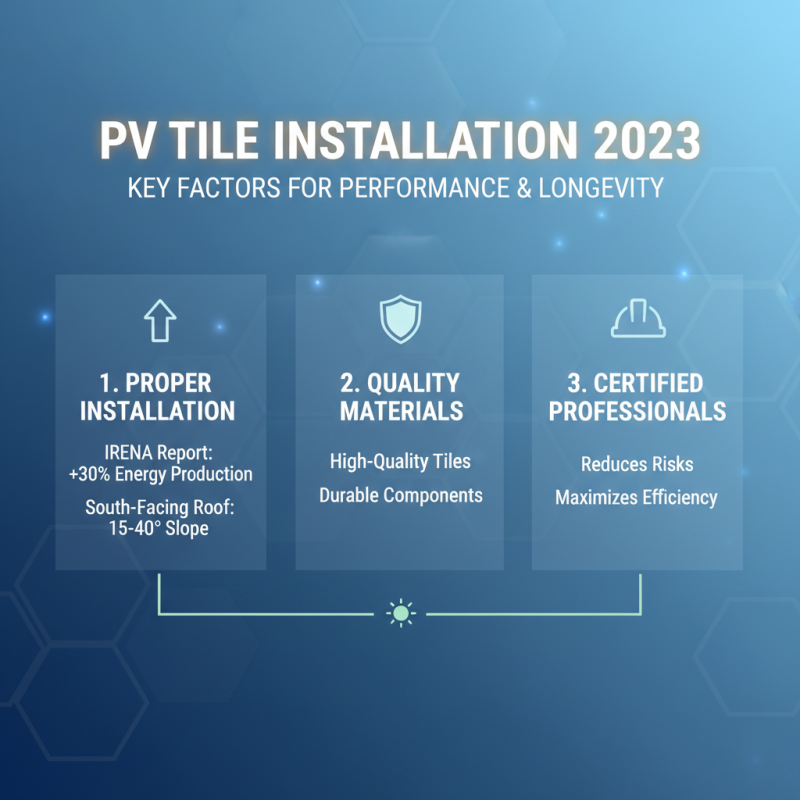
When considering the installation of photovoltaic (PV) tiles for your home renovation in 2023, several key factors can enhance both their performance and longevity. First, proper installation is crucial. According to a report by the International Renewable Energy Agency (IRENA), efficiently installed PV systems can increase energy production by up to 30%. To ensure the best performance, it's recommended to install tiles on a south-facing roof with a slope of 15 to 40 degrees. Additionally, utilizing high-quality materials and engaging certified professionals can further mitigate risks of improper installation and maximize efficiency.
Maintenance of PV tiles is equally important in ensuring their durability and effectiveness. Regular cleaning is essential, as accumulated debris can hinder sunlight absorption. The U.S. Department of Energy suggests inspecting the tiles at least once a year for any signs of damage or wear. It's also advisable to keep the surrounding area free from overhanging branches and to monitor the inverter regularly for performance issues. By following these installation tips and maintenance guidelines, homeowners can optimize their PV tile systems, potentially reducing energy costs by up to 50%, as highlighted in the 2023 Solar Market Insight report. Regular upkeep not only sustains efficiency but can also prolong the lifespan of the tiles, making them a wise investment for sustainable living.
Related Posts
-
Understanding Issues with pv tiles in Modern Construction
-
Revolutionizing Energy Efficiency with Photovoltaic Roof Tiles and Their Impact on Future Sustainability
-
How to Choose the Best Solar Power Tiles for Your Home in 2025
-

Navigating Import and Export Certifications for the Best PV Tiles in the Global Market
-
The Future of Sustainable Living with Solar Roof Tiles
-
Innovative Solutions for Harnessing Energy with Photovoltaic Tiles